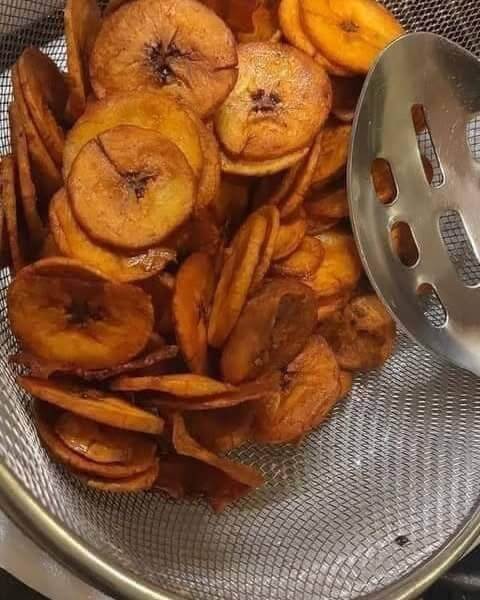
You are about to learn how to process and make Crunchy Homemade plantain chips.
Plantain chips are one of the most loved snacks in Nigeria and across Africa.
Crispy, crunchy, and deeply satisfying, they can be enjoyed as a snack, side dish, or even paired with meals.
Learning how to process and make crunchy homemade plantain chips is one of the simplest ways to enjoy a classic snack that never goes out of style.
`
Plantain chips are loved for their crisp texture, rich flavor, and versatility whether enjoyed as a quick snack, served alongside meals, or packaged for sale.
While they are widely available in markets and stores, making plantain chips at home gives you full control over the quality, taste, and level of crunch.
Many people struggle with soggy, oily, or unevenly fried plantain chips because they skip an important step: proper processing.
Learning how to properly process and make plantain chips at home not only saves money but also allows you to control the taste, oil level, and overall quality.
In this detailed guide, you’ll learn everything you need to know about making perfect plantain chips from choosing the right plantain to slicing,
frying, seasoning, and storing them for long lasting crunch.
What Are Plantain Chips?
Plantain chips are thinly sliced pieces of plantain that are fried, baked, or air-fried until they become crispy and crunchy. They are a popular snack in many parts of the world, especially in Nigeria and other African countries, where plantain is a staple food. Plantain chips can be eaten on their own, served as a side dish, or enjoyed with dips and drinks.
Traditionally, plantain chips are made from unripe or slightly ripe plantains, which give the best crunch and prevent the chips from becoming soft or oily. The plantains are carefully peeled, sliced very thinly, and cooked in hot oil until golden brown. After frying, they are lightly seasoned with salt or spices to enhance their flavor.
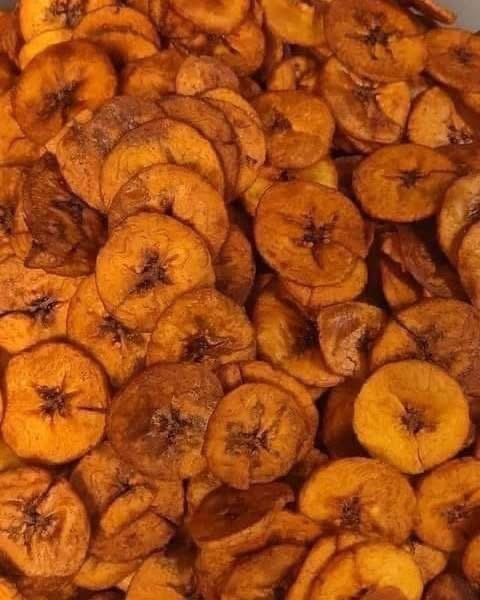
Plantain chips come in different styles and flavors. Some are plain and lightly salted, while others are spicy, sweet, or seasoned with spices like chili, paprika, or garlic powder. Depending on how they are prepared, plantain chips can be extra crunchy or mildly crisp with a hint of natural sweetness.
Because of their long shelf life and satisfying crunch, plantain chips are commonly sold in markets, supermarkets, and roadside stalls. When made at home, they are fresher, less oily, and can be customized to suit personal taste, making them a favorite homemade snack for many households.
Best Type of Plantain for Chips
Choosing the right type of plantain is the most important step in making crispy and crunchy plantain chips. Not all plantains give the same result, and using the wrong one can lead to soggy, oily, or soft chips.
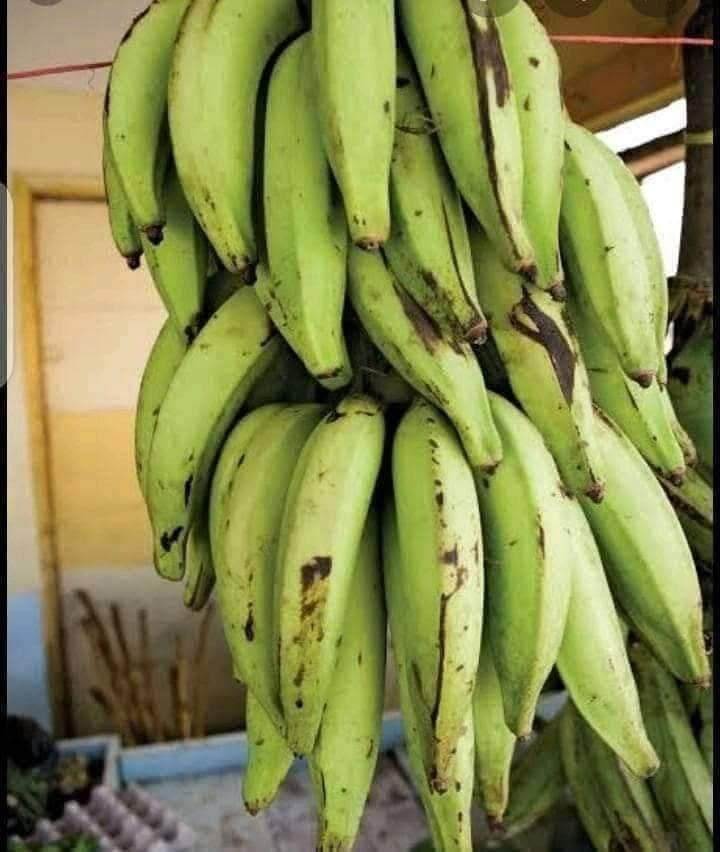
Unripe (Green) Plantain – The Best Choice
Unripe plantain is the best and most commonly used type for making plantain chips. It is firm, low in sugar, and high in starch, which helps the slices fry evenly and turn very crispy. Chips made from green plantain have a clean, savory taste and a satisfying crunch, similar to the plantain chips sold commercially.
Slightly Ripe Plantain – For Mild Sweetness
Slightly ripe plantains, which are yellow but still firm, can also be used if you prefer a mild sweetness in your chips. These plantains produce chips that are crunchy on the outside with a subtle sweet flavor. However, they brown faster than unripe plantains, so careful frying is required to avoid burning.
Fully Ripe Plantain – Not Recommended
Fully ripe plantains (soft, deep yellow with black spots) are not suitable for plantain chips. They contain a lot of natural sugar, which causes them to absorb more oil and become soft instead of crunchy. Ripe plantains are better used for frying as dodo or baking.
Key Tip:
For the best results, always choose firm, fresh, unripe plantains with no soft spots or mold. The greener and firmer the plantain, the crispier your plantain chips will be.
Ingredients Needed for a Crunchy Homemade Plantain Chips
Making crunchy homemade plantain chips requires just a few simple ingredients. Using fresh, quality ingredients helps ensure great taste and perfect texture.
- Unripe plantains
This is the main ingredient. Firm, green plantains are best for achieving crispy and crunchy chips. - Vegetable oil
Used for frying. Oils like vegetable oil, sunflower oil, or groundnut oil work well because they have a high smoke point and a neutral flavor. - Salt
Added after frying to enhance the taste. Seasoning while the chips are still hot helps the salt stick better.
Optional Seasonings (for flavor variations)
- Chili powder or cayenne pepper (for spicy chips)
- Paprika (for mild heat and color)
- Garlic powder or onion powder (for extra flavor)
- A pinch of sugar (for lightly sweet chips)
Tip:
Keep the ingredient list simple for classic plantain chips, and experiment with seasonings once you master the basic process.
Equipment Required to Process and Make a Crunchy Plantain Chips
Having the right equipment makes the process of making plantain chips easier, faster, and more consistent. Most of these tools are commonly found in the kitchen.
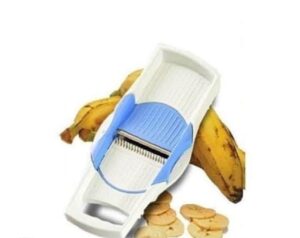
- Sharp knife or mandolin slicer
For cutting the plantains into thin, even slices. A mandolin slicer helps achieve uniform thickness, which is key for even frying.
- Cutting board
Provides a safe and stable surface for slicing the plantains. - Bowl
Used to hold the sliced plantains before frying. - Frying pan or deep fryer
A wide, deep pan is ideal for frying plantain chips evenly. A deep fryer can also be used for better temperature control. - Slotted spoon or frying spoon
Helps you stir the chips while frying and remove them from the hot oil safely. - Paper towels or clean kitchen towel
Used to drain excess oil after frying, helping the chips stay crispy. - Airtight container or zip-lock bags
Essential for storing the plantain chips once they have cooled, to maintain their crunch.
Tip:
Using the right tools, especially a sharp slicer and proper frying pan, plays a big role in achieving evenly cooked, crunchy plantain chips.
How to Process Plantain for Chips
Properly processing plantain is the foundation of making crispy, crunchy plantain chips. Skipping or rushing this stage can result in uneven slices, soggy chips, or excess oil absorption. Follow these steps carefully for the best results.
Step 1: Wash the Plantains
Before peeling, wash the plantains thoroughly under running water. This removes dirt and surface impurities from the skin and prevents them from transferring to the flesh during peeling.
Step 2: Cut Off the Ends
Using a sharp knife, cut off both ends of each plantain. This makes peeling easier and cleaner.
Step 3: Peel the Plantains
Make a shallow slit along the length of the plantain skin. Gently lift and remove the peel with your fingers or the tip of a knife, being careful not to damage the flesh.
Step 4: Slice the Plantains Thinly
Slice the peeled plantains into very thin pieces.
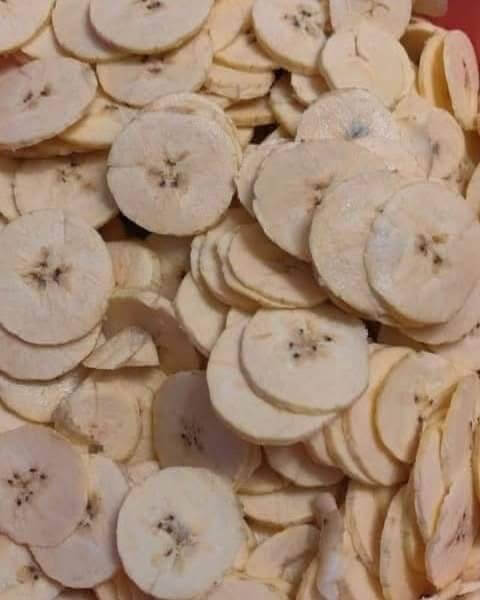
- Round slices give classic, traditional plantain chips.
- Diagonal or long slices create longer, restaurant style chips.
The thinner the slices, the crispier the chips will be after frying.
Step 5: Keep Slices Dry
Do not wash the sliced plantains with water. Moisture can cause oil splatter during frying and make the chips soggy. If needed, gently pat the slices dry with a kitchen towel.
Important Tip:
Uniform slicing is key. Evenly cut plantain slices fry at the same rate, ensuring consistent color, crunch, and flavor in every batch of plantain chips.
Step-by-Step: How to Make Plantain Chips
Once your plantains are properly processed and sliced, making crunchy plantain chips is straightforward. Follow these steps carefully to achieve perfectly golden, crispy chips.
Step 1: Heat the Oil
Pour enough vegetable oil into a frying pan to allow the plantain slices to float freely. Place the pan on medium heat and allow the oil to heat properly. The oil should be hot but not smoking drop a small slice of plantain into the oil to test; it should sizzle immediately.
Step 2: Fry in Small Batches
Gently add the sliced plantains into the hot oil in small batches. Avoid overcrowding the pan, as this lowers the oil temperature and causes the chips to absorb excess oil.
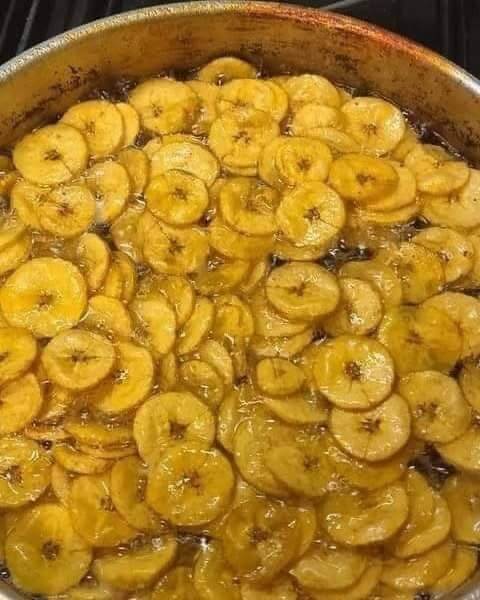
Step 3: Stir Occasionally
Use a slotted spoon to stir the chips gently while frying. This prevents them from sticking together and ensures even cooking on all sides.
Step 4: Fry Until Golden and Crispy
Allow the plantain slices to fry for about 3 to 5 minutes, or until they turn light golden brown and crisp. Keep a close eye on them, as thin slices can brown quickly.
Step 5: Remove and Drain
Once crispy, use a slotted spoon to remove the chips from the oil. Place them on paper towels or a clean kitchen towel to drain excess oil.
Step 6: Season Immediately
While the chips are still hot, sprinkle salt or your preferred seasoning over them. This helps the seasoning stick evenly and enhances the flavor.
Step 7: Cool Completely
Allow the plantain chips to cool completely before storing. They will become even crunchier as they cool.
Pro Tip:
Always maintain medium heat while frying. Oil that is too hot will burn the chips quickly, while oil that is not hot enough will make them oily and soft.
Flavor Variations
One of the best things about homemade plantain chips is how easy they are to customize. With a few simple seasonings, you can create different flavors to suit your taste or impress your guests.
Salted Plantain Chips
This is the classic and most popular version. Lightly sprinkle fine salt over the hot chips immediately after frying for a clean, savory taste.
Spicy Plantain Chips
For heat lovers, add chili powder, cayenne pepper, or crushed dried pepper to the chips while they are still hot. You can adjust the spice level to your preference.
Sweet Plantain Chips
If you enjoy a touch of sweetness, lightly dust the chips with sugar or cinnamon sugar after frying. This works best with slightly ripe plantains.
Garlic or Onion Plantain Chips
Sprinkle garlic powder or onion powder on the chips for a rich, savory flavor. This variation pairs well with dips and sauces.
Paprika or Seasoned Plantain Chips
Paprika adds mild heat and color, while mixed seasoning blends can give the chips a more complex flavor. Use sparingly to avoid overpowering the natural taste of the plantain.
Tip:
Always season plantain chips while they are hot so the flavors stick well and distribute evenly.
Tips for Extra Crunchy Plantain Chips
Achieving perfectly crunchy plantain chips requires attention to detail during preparation, frying, and storage. Here are some expert tips to help you get that satisfying crisp every time:
- Use Firm, Unripe Plantains
Green plantains have the right starch content to produce crisp chips. Avoid fully ripe plantains, as they tend to be soft and absorb more oil. - Slice Thinly and Evenly
Uniform, thin slices ensure that each piece fries at the same rate. Use a sharp knife or mandolin slicer for best results. - Dry the Slices
Pat plantain slices dry before frying. Excess moisture causes oil splatter and makes chips soggy instead of crispy. - Fry at Medium Heat
Oil that’s too hot will burn the chips, while oil that’s too cool will make them greasy. Medium heat allows even cooking and a golden color. - Fry in Small Batches
Avoid overcrowding the pan. Frying in small batches keeps the oil temperature consistent and ensures the chips crisp up properly. - Drain Excess Oil
Use paper towels or a clean kitchen towel to absorb excess oil immediately after frying. This prevents sogginess. - Cool Completely Before Storing
Chips continue to crisp as they cool. Store them in airtight containers only after they are fully cooled. - Optional: Double Fry for Extra Crunch
For ultra-crispy chips, fry the slices lightly first, remove, let them cool, then fry again for 1 to 2 minutes until golden.
Following these tips will help you consistently produce crispy, golden, and delicious plantain chips that rival store-bought versions.
Common Mistakes to Avoid When Making Plantain Chips
Even with the right ingredients and equipment, small mistakes can ruin your plantain chips. Here are the most common errors and how to avoid them:
- Using Ripe Plantains
Fully ripe plantains are too soft and sugary, causing the chips to be soggy and oily. Always use firm, unripe (green) plantains for the best crunch. - Slicing Too Thick
Thick slices take longer to fry and often remain soft inside. Slice plantains thinly and evenly to ensure uniform cooking and crispiness. - Frying at Too High Heat
High heat burns the chips quickly on the outside while leaving them soft inside. Fry at medium heat for even cooking. - Overcrowding the Pan
Adding too many slices at once lowers the oil temperature, leading to greasy, soggy chips. Fry in small batches to maintain consistent heat. - Adding Salt Before Frying
Salting the plantains before frying can draw out moisture, making them less crispy. Always season immediately after frying while the chips are hot. - Not Draining Excess Oil
Leaving fried chips in oil or on an unlined surface makes them greasy. Use paper towels or a clean kitchen towel to absorb extra oil. - Storing While Warm
Placing warm chips in airtight containers traps moisture, causing them to lose their crunch. Let chips cool completely before storing.
By avoiding these mistakes, you ensure your plantain chips are golden, crispy, and delicious every time.
How to Store Plantain Chips
Proper storage is essential to keep your plantain chips crunchy and fresh for longer. Here’s how to do it the right way:
- Cool Completely Before Storing
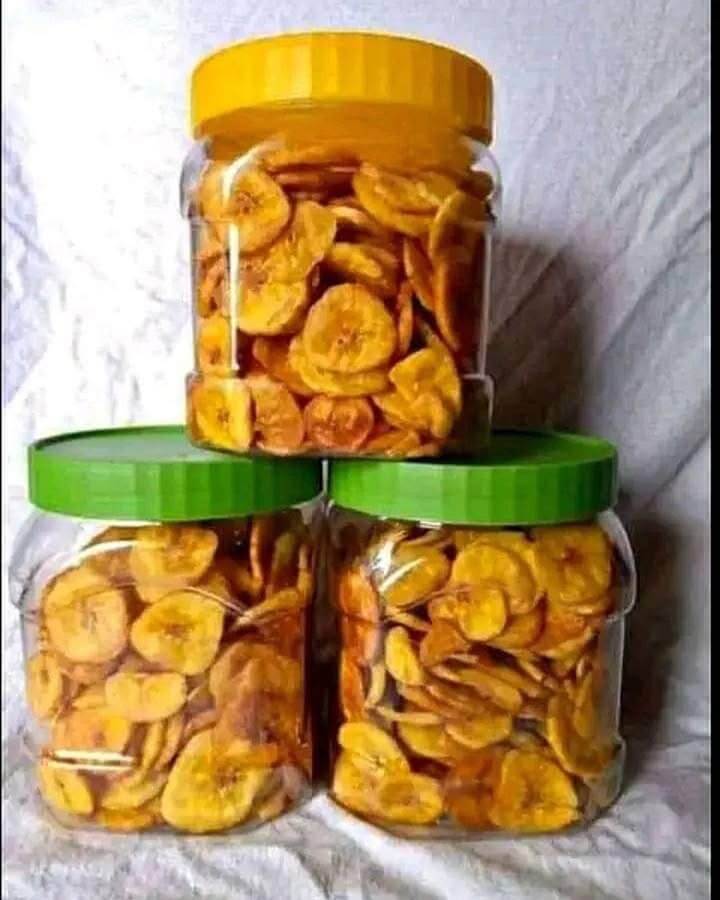
Allow the fried plantain chips to cool completely at room temperature. Chips that are still warm will release steam in the container, making them soggy. - Use Airtight Containers
Store the cooled chips in airtight containers, glass jars, or zip lock bags. This prevents moisture from entering and keeps the chips crisp. - Keep in a Cool, Dry Place
Avoid storing chips in humid or warm areas like near the stove. A pantry or cupboard away from direct sunlight works best. - Avoid Refrigeration
Refrigerating fried plantain chips can make them soft because of condensation. Always store at room temperature. - Use Silica Packs or Rice (Optional)
For longer shelf life, you can add a small food safe silica pack or a teaspoon of uncooked rice in the container to absorb any excess moisture.
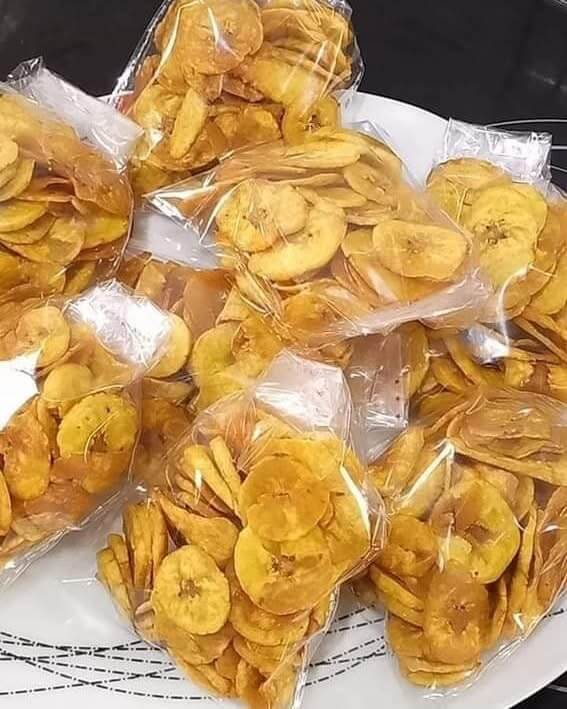
Storage Tip: Properly stored homemade plantain chips can stay crunchy for 1 to 2 weeks, depending on humidity. Always check before serving, as chips may lose crispness over time.
Health Benefits of Plantain Chips
While plantain chips are often enjoyed as a snack, they also offer several nutritional benefits, especially when made at home with minimal oil and seasoning. Here’s why they can be a healthier snack choice compared to many processed alternatives:
- Rich in Carbohydrates for Energy
Plantains are naturally high in complex carbohydrates, which provide a steady source of energy. Homemade plantain chips can be a good snack for an energy boost during the day. - Good Source of Dietary Fiber
Fiber in plantains helps with digestion and promotes a healthy gut. It can also help you feel fuller for longer when eaten in moderation. - Contains Potassium
Plantains are high in potassium, an essential mineral that helps regulate blood pressure, support heart health, and maintain proper muscle function. - Provides Vitamins A and C
These vitamins act as antioxidants, supporting immune function and skin health. Vitamin A is also important for vision. - Low in Sodium (If Homemade)
When you make chips at home, you control the amount of salt, making them a lower-sodium alternative to many store bought snacks. - Customizable for Healthier Versions
You can make baked or air fried plantain chips instead of deep frying, reducing oil intake while still enjoying a crunchy snack.
Note: Moderation is key. While plantain chips have health benefits, deep fried versions are high in calories and fat, so enjoy them as an occasional treat or opt for baking or air frying for a healthier option.
Can I Make and Process a Crunchy Plantain Chips Without Frying?
Yes! You can make plantain chips without deep frying, and there are two popular alternatives: baking and air frying. These methods use less oil, making the chips healthier while still maintaining a satisfying crunch.
1. Baked Plantain Chips
- Preheat your oven to 180°C (350°F).
- Slice the plantains thinly and lightly brush or spray with oil.
- Arrange the slices on a baking tray in a single layer.
- Bake for 15 to 20 minutes, flipping halfway, until golden and crispy.
- Season immediately while hot.
2. Air-Fried Plantain Chips
- Preheat your air fryer to 180°C (350°F).
- Slice the plantains thinly and toss lightly with oil.
- Place the slices in the air fryer basket in a single layer (do not overcrowd).
- Cook for 10 to 15 minutes, shaking the basket halfway through.
- Season while hot.
Tips for Non-Fried Chips:
- Thin, uniform slices are key to crispiness.
- Use medium heat to avoid burning while ensuring the chips cook through.
- Let the chips cool completely before storing they continue to crisp as they cool.
These methods produce lighter, healthier plantain chips that are perfect for snacking without the extra oil from deep frying.
Why Are My Homemade Plantain Chips Soggy?
If your homemade plantain chips turn out soggy instead of crispy, it’s usually due to one or more common mistakes during preparation or frying. Here’s what could be going wrong and how to fix it:
- Using Ripe Plantains
- Ripe plantains have higher sugar content and softer flesh, which absorbs more oil and produces soft chips.
- Solution: Use firm, unripe (green) plantains for crispier results.
- Slices Are Too Thick
- Thick slices take longer to cook and often remain soft in the center.
- Solution: Slice plantains thinly and evenly for consistent crunch.
- Oil Temperature Too Low
- Frying in oil that isn’t hot enough causes the chips to absorb more oil, making them greasy and soggy.
- Solution: Maintain medium heat and test oil by dropping a small slice in it should sizzle immediately.
- Overcrowding the Pan
- Adding too many slices at once lowers the oil temperature, preventing proper frying.
- Solution: Fry in small batches to allow even cooking.
- Not Draining Properly
- Leaving chips in oil or on a non-absorbent surface traps oil and moisture.
- Solution: Use paper towels or a clean kitchen towel to drain excess oil immediately after frying.
- Storing While Warm
- Warm chips in a container create steam, softening the chips.
- Solution: Let chips cool completely before storing in an airtight container.
By addressing these issues, your plantain chips should turn out golden, crunchy, and perfectly crispy every time.
Can I Use Palm Oil for a Crunchy Plantain Chips?
Yes, you can use palm oil to make plantain chips, and it’s actually a traditional option in many parts of West Africa. Palm oil gives the chips a distinct golden-orange color and rich, earthy flavor that differs from neutral vegetable oils.
Things to Keep in Mind When Using Palm Oil:
- Use Refined or Bleached Palm Oil
- Unrefined red palm oil has a strong flavor and aroma that may overpower the chips. Refined or lightly processed palm oil gives a milder taste while still adding color.
- Monitor Oil Temperature Carefully
- Palm oil has a lower smoke point than some vegetable oils, so fry at medium heat to avoid burning the chips.
- Flavor Profile
- Chips fried in palm oil will have a slightly richer and earthy taste compared to those fried in vegetable or groundnut oil.
- Health Considerations
- Palm oil is high in saturated fat. Use in moderation, especially if you’re health conscious.
Tip: For a traditional Nigerian flavor and vibrant color, palm oil works well. For a milder taste and healthier option, vegetable or groundnut oil is preferable.
Using palm oil can make your homemade plantain chips look more like the vibrant, store-bought variety often sold in local markets.
How Do I Keep Plantain Chips Crunchy for Long?
Keeping plantain chips crunchy after frying requires proper cooling, storage, and moisture control. Here are practical tips to ensure your chips stay crisp for days:
- Cool Completely Before Storing
- Allow the chips to cool completely at room temperature. Warm chips release steam in the container, which makes them soggy.
- Use Airtight Containers
- Store chips in airtight containers, glass jars, or zip-lock bags to prevent moisture from entering.
- Keep in a Cool, Dry Place
- Avoid humid areas or storing near the stove. A pantry or cupboard away from sunlight is ideal.
- Avoid Refrigeration
- Refrigerating fried chips can cause condensation, making them soft. Always store at room temperature.
- Optional Moisture Absorbers
- Adding a small food-safe silica pack or a teaspoon of uncooked rice in the container can help absorb any excess moisture.
- Do Not Stack While Warm
- Avoid layering warm chips together; this traps heat and moisture, which reduces crunch.
Storage Tip: Properly stored plantain chips can remain crunchy for 1 to 2 weeks. If they start to soften, you can briefly reheat them in a dry pan or oven to restore crispness.
Following these steps ensures your homemade plantain chips stay fresh, crispy, and ready to snack on anytime.
Are Plantain Chips Healthy?
Plantain chips can be a tasty and somewhat nutritious snack when made at home, but their healthiness depends on how they are prepared and consumed. Here’s a breakdown:
Nutritional Benefits
- Rich in Carbohydrates – Plantains are naturally high in complex carbs, providing energy for the body.
- Contains Fiber – Dietary fiber in plantains supports digestion and helps you feel full longer.
- Good Source of Potassium – Potassium helps regulate blood pressure, supports heart health, and aids muscle function.
- Vitamins A and C – These vitamins act as antioxidants, support immunity, and promote healthy skin and vision.
Considerations
- High in Calories and Fat When Fried – Deep fried plantain chips are calorie dense, so portion control is important.
- Salt Content – Store-bought chips often have high sodium. Homemade chips allow you to control salt levels.
- Healthier Alternatives – Baking or air-frying plantain chips significantly reduces oil and fat while still providing a satisfying crunch.
Can I freeze plantain chips?
It’s not recommended to freeze fried plantain chips, as moisture from freezing will make them soggy upon thawing. If you want to prepare in advance, store unripe plantains in the freezer and slice or fry them fresh when needed.
Conclusion
Making crispy, crunchy homemade plantain chips is easier than many people think, but it requires attention to detail from selecting the right plantains to slicing, frying, and storing them properly. Using firm, unripe plantains, frying at the correct temperature, and seasoning while hot ensures consistently golden and delicious chips.
Whether you prefer classic salted chips, spicy versions, or sweet plantain chips, this snack can be customized to suit your taste. For a healthier alternative, baking or air frying works just as well while reducing oil intake.
With proper cooling and storage in airtight containers, your plantain chips can stay fresh and crunchy for up to two weeks, making them perfect for snacking anytime.
Homemade plantain chips are not only delicious and versatile but also give you the satisfaction of controlling flavor, oil, and freshness making them a go-to snack for family, friends, or even small-scale business ventures.
Start making your plantain chips today and enjoy the crispy, golden goodness of this timeless snack right at home.
You may also love to read up our HOW TO MAKE NIGERIAN FRIED RICE and HOW T O MAKE PUFF-PUFF (DOUGH BALLS) WITHOUT YEAST. they are sumptuous recipes worthy of recommendation.
Don’t forget to share your experience in the comments and tell me your result after trying out this recipe.


One thought on “How to Process and Make Crunchy Homemade Plantain Chips”