You are about to learn How to Make Nigerian Fried Rice.
Nigerian fried rice is one of the most loved dishes in Nigerian cuisine, known for its rich aroma, vibrant colors, and irresistible flavor. It is a staple at parties, weddings, festive celebrations, and even simple family meals.
Unlike other versions of fried rice, it is uniquely seasoned with curry powder, thyme, and flavorful stock, giving it that unmistakable taste that instantly brings comfort and nostalgia.
Learning how to make this fried rice at home is easier than many people think. With the right ingredients, proper rice preparation, and a few simple techniques, you can achieve perfectly cooked grains that are fluffy, smoky, and packed with flavor.
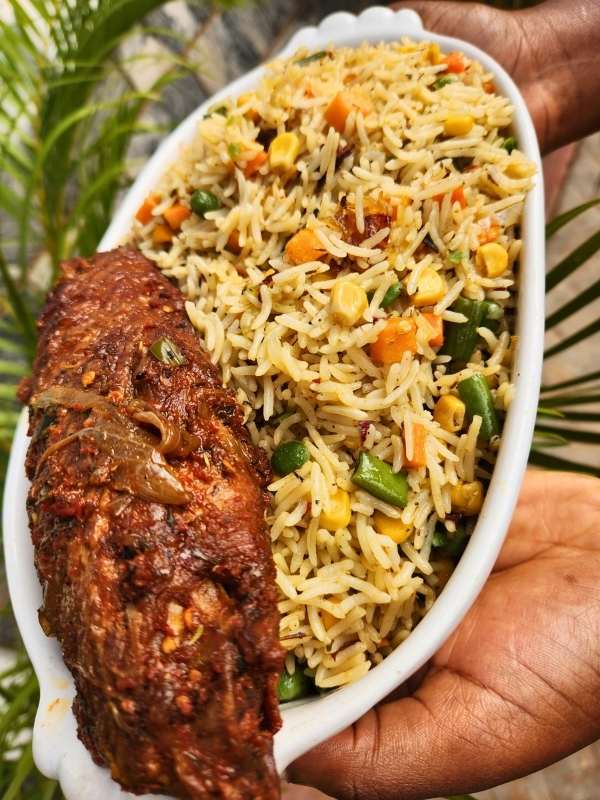
Whether you are cooking for a special occasion or a regular weekday meal, this dish is versatile, satisfying, and guaranteed to impress.
In this post, you’ll be guided step by step through everything you need to know to make authentic fried rice that tastes just like the one served at parties.
However, the first time I tried making fried rice was a disaster, I was just 13 years old and decided to try my hands on it but being that it was my first time trying it wasn’t funny at all but now my fried rice is topnotch and perfect just as it should be.
What Is Nigerian Fried Rice?
It is a flavorful, colorful rice dish that is a staple in Nigerian homes and celebrations. It is made by cooking long-grain parboiled rice in richly seasoned stock and then stir-frying it with a mix of vegetables, proteins, and distinctive Nigerian spices.
And what truly sets this fried rice apart is its bold aroma and taste, achieved through the use of curry powder, thyme, bay leaves, and stock cubes, which give the rice its signature golden color and savory depth.
Unlike Asian-style fried rice, which often relies on soy sauce and eggs, Nigerian fried rice focuses on spices and stock for flavor.
The rice grains are expected to be firm, separate, and lightly coated with seasoning not oily or mushy. Each spoonful delivers a balance of soft vegetables, well-seasoned rice, and protein, making it both filling and satisfying.
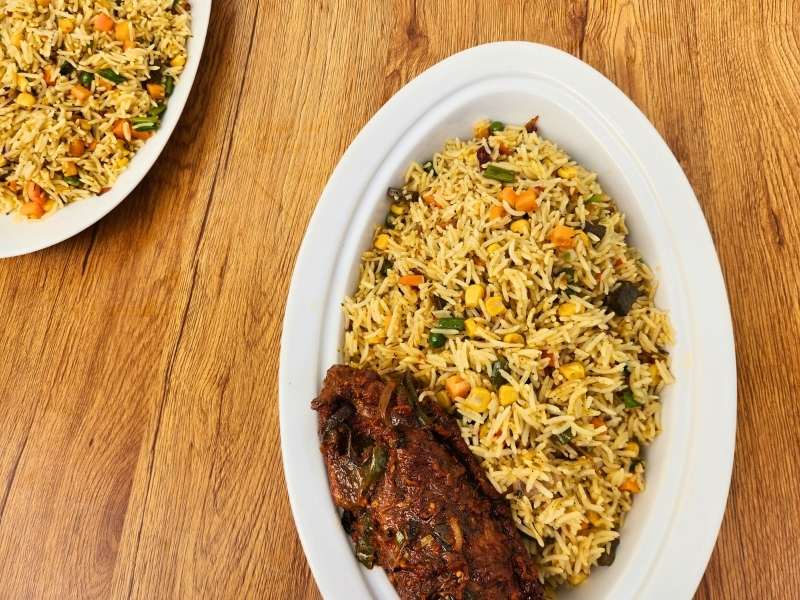
This fried rice is most commonly served at special occasions such as weddings, birthdays, Christmas, Easter, and other festive gatherings, which is why it is often referred to as party fried rice.
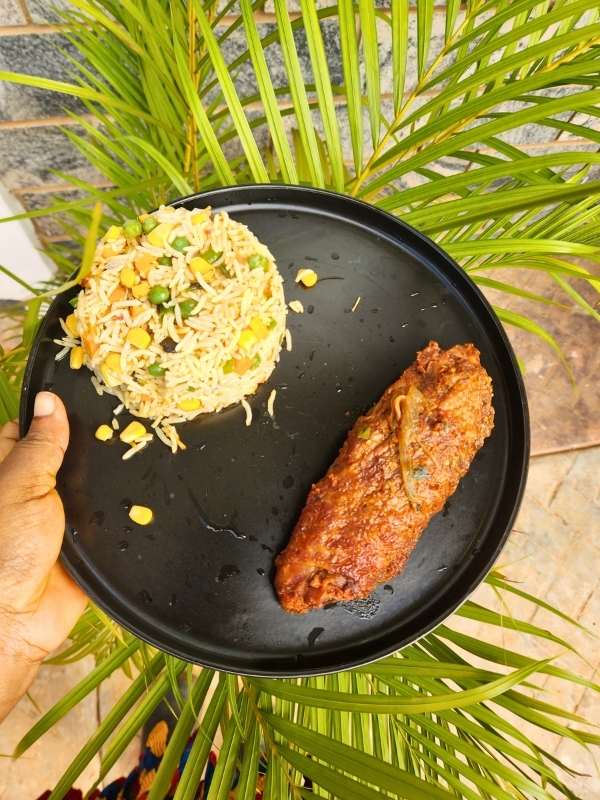
It is typically paired with fried chicken, grilled turkey, plantain (dodo), or salad, making it a complete and celebratory meal.
Despite its association with big events, Nigerian fried rice is also simple enough to prepare at home for everyday meals.
At its core, fried rice represents more than just food, it reflects hospitality, celebration, and togetherness.
Its vibrant appearance and comforting flavor make it a dish that brings people together, whether it’s served at a large party or enjoyed at a quiet family dinner.
Ingredients needed for Nigerian fried rice
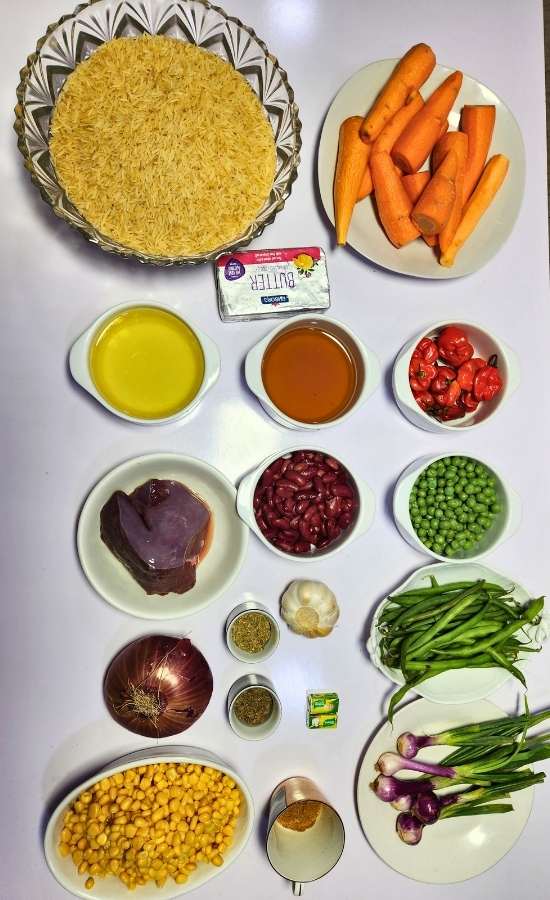
3 cups of basmati rice:
Long-grain rice is used in cooking fried rice because it gives the best texture, appearance, and overall eating experience that fried rice is known for. Here are the main reasons it’s preferred, especially for dishes like Nigerian fried rice:
- Non-sticky, separate grains
It contains less surface starch than short-grain rice. When cooked properly, the grains remain firm and separate rather than clumping together. This is essential for fried rice, where each grain should be lightly coated with seasoning and oil, not mushy or sticky.
- Better texture for stir-frying
Fried rice involves tossing and stir-frying the rice over heat. Long-grain rice holds its shape well during this process and doesn’t break easily. This makes it ideal for mixing with vegetables, proteins, and spices without turning soggy.
- Absorbs flavor without becoming soft
This rice absorbs stock and spices beautifully while still maintaining a light, fluffy texture. This is especially important in Nigerian fried rice, where the rice is cooked in seasoned stock before being fried.
- Visually appealing result
Fried rice is meant to look colorful and well-defined. Long-grain rice gives that classic look with visible, individual grains, making the dish more attractive and professional, perfect for party and celebratory meals.
- Works well with parboiling
In Nigerian cooking, rice is often parboiled before final cooking. Long-grain rice responds very well to this method, helping to control doneness and prevent overcooking during frying.
long-grain rice is used for fried rice because it stays fluffy, firm, and separate while carrying flavor beautifully exactly what makes a great fried rice dish.
Turkey stock for cooking fried rice
It is important in fried rice especially Nigerian fried rice because it adds deep flavor, rich aroma, and natural seasoning that plain water simply cannot provide. Here’s why it makes such a big difference:
- It builds strong, savory flavor from the start
Cooking the rice with turkey stock allows the grains to absorb flavor from the inside out. The stock carries the taste of the meat, spices, and aromatics used to cook the turkey, giving the fried rice a fuller, more satisfying flavor base.
- It enhances aroma and “party rice” taste
One of the standout qualities of Nigerian party fried rice is its irresistible smell. Turkey stock contributes to that rich, festive aroma that immediately signals a well-made fried rice similar to what you’d find at weddings and celebrations.
- It reduces the need for excess seasoning
Because turkey stock is already seasoned, it helps balance the dish naturally. You won’t need to rely too heavily on stock cubes or extra spices, which keeps the flavor bold but not overwhelming.
- It adds depth and richness
However, it contains natural fats and gelatin from the bones, which give the rice a subtle richness and mouthfeel. This makes the fried rice taste more luxurious without being oily.
- It helps achieve authentic Nigerian fried rice
In many Nigerian kitchens, turkey stock is preferred over plain water or even chicken stock when available. It contributes to that authentic “party fried rice” flavor people recognize and love.
- It complements the proteins in the dish
When fried rice is served with turkey or contains turkey itself using turkey stock creates a harmonious flavor profile where everything tastes connected and well-rounded.
Carrot for Nigerian fried rice:
This plays an important role in cooking Nigerian fried rice, not just for appearance but also for flavor, texture, and balance. Here’s why carrots are commonly used in fried rice, especially Nigerian fried rice:
- Adds natural sweetness
Carrots bring a mild, natural sweetness that balances the savory and spicy elements of fried rice. This contrast helps prevent the dish from tasting flat or overly salty.
- Enhances color and visual appeal
The bright orange color of carrots makes fried rice look more vibrant and appetizing. In Nigerian fried rice, carrots contribute to that colorful, celebratory look the dish is known for.
- Provides a pleasant crunch
When diced properly and lightly stir-fried, carrots add a subtle crunch. This creates a nice textural contrast against the soft rice and tender proteins.
- Balances the flavors
Carrots help round out strong seasonings like curry powder, thyme, and stock cubes by softening their intensity. This balance is key to achieving well-rounded fried rice.
- Boosts nutritional value
Carrots are rich in vitamins, especially vitamin A, and add fiber to the dish. While fried rice is often indulgent, carrots help make it more wholesome.
- Helps define authentic fried rice
In Nigerian fried rice, carrots are considered a core vegetable. Without them, the dish may taste fine, but it often lacks the familiar look and balance people expect.
carrots are used in fried rice to add sweetness, color, texture, nutrition, and overall balance making the dish more flavorful, attractive, and satisfying.
Spring onions:
Spring onions (also known as green onions) are an essential ingredient in fried rice because they add flavor, aroma, freshness, and visual appeal. In Nigerian fried rice, they help elevate the dish from ordinary to truly delicious. Here’s why they are important:
- Adds mild onion flavor without overpowering
Spring onions have a gentle, slightly sweet onion taste that blends easily into fried rice. Unlike regular onions, they enhance the flavor without dominating the dish.
- Enhances aroma
When spring onions hit hot oil, they release a fresh, savory aroma that instantly improves the overall smell of the fried rice. This is one of the subtle secrets behind great-tasting party fried rice.
- Brings freshness and balance
Fried rice can be rich due to stock, oil, and spices. Spring onions cut through that richness and add a light, fresh finish that keeps the dish from feeling heavy.
- Improves visual appeal
The bright green color of spring onions adds contrast to the golden rice and orange carrots, making the dish more vibrant and attractive - .
- Complements other vegetables and spices
Spring onions work well with carrots, green peas, green beans, curry powder, and thyme. They help tie all the flavors together harmoniously.
- Ideal for finishing the dish
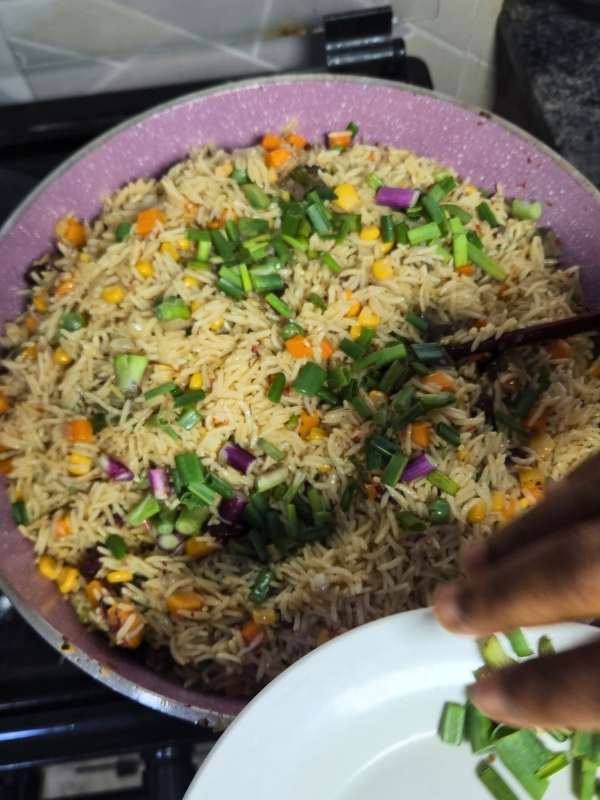
Spring onions are often added towards the end of cooking to preserve their flavor and color. This final touch gives fried rice a more refined, restaurant style taste.
spring onions are used in fried rice to add subtle flavor, aroma, freshness, and color making the dish more balanced, appealing, and authentic.
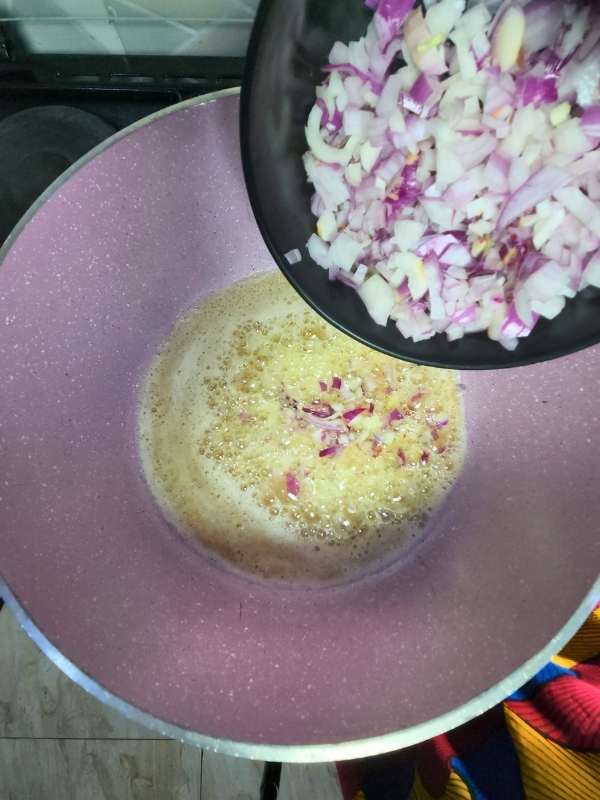
Red onions:
Red onions play a key role in Nigerian fried rice by providing a strong flavor base, natural sweetness, and depth that helps build the dish from the very beginning. In Nigerian fried rice, they are especially important for achieving a rich, well rounded taste. Here’s why red onions are needed:
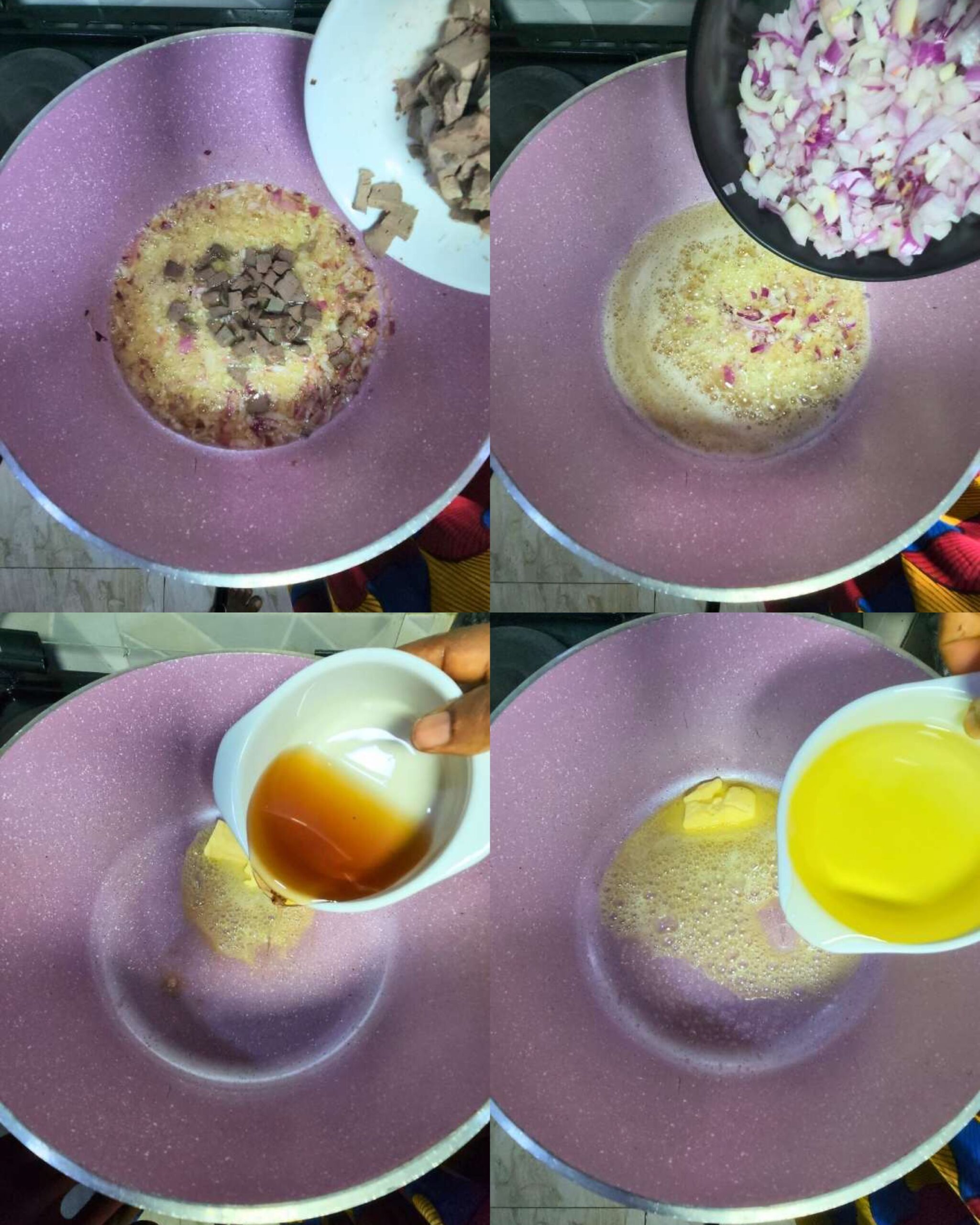
- Forms the flavor foundation
Red onions are usually the first ingredient sautéed in oil. As they cook, they release sweetness and savory notes that create a solid flavor base for the entire fried rice.
- Adds natural sweetness after sautéing
When cooked, red onions soften and slightly caramelize, adding a gentle sweetness that balances spices like curry powder, thyme, and stock cubes.
- Enhances aroma and taste
Sautéed red onions give fried rice a rich, appetizing aroma. This initial fragrance sets the tone for the dish and signals a well cooked fried rice.
- Supports seasoning absorption
Red onions help distribute seasoning evenly throughout the dish. Their moisture and texture allow spices to blend more smoothly with the rice and vegetables.
- Contributes subtle color and texture
Though they soften and blend into the dish, red onions add a slight color depth and tender texture that enhances the overall mouthfeel.
- Essential for authentic Nigerian fried rice
In many Nigerian kitchens, red onions are preferred because they are more flavorful than white onions. They help achieve that familiar, authentic taste associated with party-style fried rice.
red onions are needed in fried rice to build flavor, add sweetness, enhance aroma, and create a strong base making the dish taste rich, balanced, and truly satisfying.
Kidney beans for Nigerian fried rice:
Kidney beans are used in Nigerian fried rice to add protein, texture, color, and nutritional value, especially when you want a more filling and balanced meal. While not traditional in classic Nigerian party fried rice, they are a great optional addition. Here’s why kidney beans can be useful:
- Adds plant-based protein
Kidney beans are rich in protein, making fried rice more satisfying and suitable for vegetarian or mixed-diet meals.
- Improves texture and bite
The firm, slightly creamy texture of kidney beans contrasts nicely with fluffy rice and crisp vegetables, giving each bite more substance.
- Enhances visual appeal
Their deep red color adds contrast to the golden rice and green vegetables, making the dish look more vibrant and appetizing.
- Makes fried rice more filling
Adding kidney beans increases the bulk of the dish, helping it feed more people and keep you fuller for longer.
- Boosts nutritional value
Kidney beans are high in fiber, iron, and essential minerals, making fried rice more nutritious without altering its core flavor too much.
- Works well in creative or modern variations
Kidney beans are commonly used in home-style, vegetarian, or fusion fried rice recipes where flexibility and nutrition are priorities.
kidney beans are used in fried rice to add protein, texture, color, and nutrition, making the dish heartier and more versatile while still delicious.
Sweet corn:
Sweet corn is used in Nigerian fried rice to add sweetness, texture, color, and balance, making the dish more enjoyable and visually appealing. In Nigerian fried rice, it is a popular optional ingredient that enhances both taste and presentation. Here’s why sweet corn is important:
- Adds natural sweetness
Sweet corn brings a gentle sweetness that balances the savory and spicy flavors from stock, curry powder, thyme, and seasoning cubes.
- Enhances texture
The soft, juicy pop of sweet corn kernels adds a pleasant contrast to the firm rice grains and crunchy vegetables like carrots and green beans.
- Improves visual appeal
The bright yellow kernels add color and vibrancy, giving fried rice that rich, festive look associated with party dishes.
- Makes the dish more kid-friendly
Because of its sweetness, sweet corn appeals to children and picky eaters, making fried rice more universally loved.
- Adds nutritional value
Sweet corn provides fiber, vitamins, and energy-boosting carbohydrates, contributing to a more balanced meal.
- Blends well without overpowering
Sweet corn has a mild flavor that complements other ingredients without competing with the main seasonings.
sweet corn is used in fried rice to add sweetness, texture, color, and nutritional value, making the dish more balanced, attractive, and delicious.
Green peas:
Green peas are used in Nigerian fried rice to add sweetness, color, texture, and nutritional balance, making the dish more flavorful and visually appealing. In Nigerian fried rice, they are one of the most common vegetables used. Here’s why they are important:
- Adds mild sweetness
Green peas have a gentle sweetness that balances the savory and spicy flavors from stock, curry powder, and seasoning cubes.
- Enhances color and presentation
Their bright green color adds contrast to the golden rice and other vegetables, giving fried rice a vibrant, appetizing look.
- Improves texture
Green peas provide a soft but slightly firm bite that complements the fluffy rice and crunchy vegetables like carrots and green beans.
- Boosts nutritional value
They are a good source of plant protein, fiber, vitamins, and minerals, making fried rice more nutritious.
- Helps balance rich flavors
Fried rice can be rich due to stock and oil. Green peas add lightness and freshness that prevent the dish from feeling heavy.
- Essential for classic Nigerian fried rice
Green peas are considered a staple vegetable in Nigerian fried rice, especially in party style versions, contributing to its familiar taste and look.
green peas are used in fried rice to add sweetness, color, texture, nutrition, and balance, making the dish complete and satisfying.
Spring beans:
Spring beans (green beans) are used in Nigerian fried rice to add crunch, freshness, color, and balance, making the dish more vibrant and enjoyable. In Nigerian fried rice, they are an essential vegetable that contributes to both texture and flavor. Here’s why spring beans are important:
- Adds a pleasant crunch
When sliced thinly and lightly stir fried, spring beans remain slightly crisp. This crunch creates a nice contrast with the soft rice and tender vegetables.
- Enhances freshness
Spring beans have a clean, fresh taste that lightens the richness of fried rice made with stock, oil, and spices.
- Improves visual appeal
Their bright green color adds vibrancy and makes the fried rice look more colorful and appetizing especially important for party-style presentation.
- Balances flavors and spices
Spring beans help mellow strong seasonings like curry powder, thyme, and stock cubes, ensuring the dish tastes balanced rather than overpowering.
- Adds nutritional value
They provide fiber, vitamins, and minerals, making fried rice more wholesome without affecting its classic taste.
- Signature vegetable in Nigerian fried rice
Alongside carrots and green peas, spring beans are considered a core ingredient in authentic Nigerian fried rice, helping define its texture and look.
spring beans are used in fried rice to add crunch, freshness, color, nutrition, and balance making the dish more appealing and well-rounded.
Sesame oil:
Sesame oil is used in Nigerian fried rice to add deep aroma, nutty flavor, and a restaurant-style finish. Although it is optional in Nigerian fried rice, a small amount can greatly enhance the overall taste when used correctly. Here’s why sesame oil is important:
- Adds rich, nutty aroma
Sesame oil has a strong, toasted fragrance that instantly boosts the aroma of fried rice, making it smell more appetizing and flavorful.
- Enhances flavor without extra seasoning
Just a few drops can deepen the taste of fried rice, adding complexity without the need for more spices or stock cubes.
- Gives a professional, restaurant-style finish
Sesame oil is often used as a finishing oil. Adding it towards the end of cooking gives fried rice a refined, well-rounded flavor similar to what you’d get from restaurants.
- Complements vegetables and proteins
Sesame oil pairs well with vegetables like carrots, peas, spring beans, and proteins such as chicken, turkey, shrimp, or liver.
- Should be used sparingly
Because sesame oil is very potent, too much can overpower the dish. A small quantity is enough to enhance the flavor without masking the traditional Nigerian fried rice taste.
- Optional but elevating
While not traditional, sesame oil is a great optional addition for those who want to add a subtle nutty note and elevate their fried rice.
sesame oil is used in fried rice to add aroma, depth, and a polished finish, making the dish more flavorful and appealing when used in moderation.
Vegetable oil:
Vegetable oil is a fundamental ingredient in Nigerian fried rice because it serves as the cooking medium, flavor carrier, and texture enhancer. In Nigerian fried rice, it plays a crucial role in bringing all the ingredients together. Here’s why vegetable oil is important:
- Acts as the primary cooking medium
Vegetable oil is used to stir fry the rice, vegetables, and proteins. It prevents sticking, ensures even cooking, and allows the ingredients to move freely in the pan or wok.
- Carries and enhances flavors
Oil helps distribute seasonings and spices (like curry powder, thyme, and stock cubes) evenly throughout the rice, ensuring each grain is flavorful.
- Adds slight richness and moisture
A small amount of oil coats the rice, giving it a soft, smooth texture without making it greasy. This helps achieve that signature light, fluffy feel in fried rice.
- Prevents the rice from drying out
Vegetable oil keeps the grains separate and moist during the stir-frying process, helping to avoid clumping or sticking.
- 5. Neutral flavor works with other ingredients
Vegetable oil has a mild taste that doesn’t compete with the spices, vegetables, or proteins, allowing the other flavors to shine.
- Essential for proper frying technique
Without oil, the fried rice would not fry correctly and could easily burn or stick to the pan. It also allows for proper sautéing of onions, vegetables, and proteins.
vegetable oil is used in fried rice as a cooking medium that enhances flavor, texture, and moisture while ensuring the rice and ingredients cook evenly. It’s a key ingredient that forms the base of any great fried rice.
Seasoning cubes:
Seasoning cubes are commonly used in Nigerian fried rice to boost flavor, enhance aroma, and simplify seasoning. They are a staple in many Nigerian kitchens because they add depth to the dish quickly and consistently. Here’s why they are important:
- Adds concentrated flavor
Seasoning cubes contain a mix of salt, spices, and sometimes MSG, which intensifies the overall taste of the fried rice. They help create that rich, savory profile Nigerian fried rice is known for.
- Enhances aroma
When dissolved in stock or sautéed with onions and vegetables, seasoning cubes release a fragrant aroma that makes the fried rice smell appetizing and inviting.
- Simplifies cooking
Instead of adding multiple individual spices, seasoning cubes provide a quick and easy way to flavor the rice evenly, saving time in the kitchen.
- Balances other ingredients
Seasoning cubes help harmonize the flavors of the rice, vegetables, proteins, and oils, ensuring that no single ingredient overpowers the dish.
- Works well with stock
When used in combination with turkey or chicken stock, seasoning cubes enhance the depth of flavor, making the fried rice taste more savory and layered.
- Common in authentic Nigerian recipes
Seasoning cubes are a standard ingredient in Nigerian fried rice recipes, especially party fried rice, because they contribute to the signature taste that many people expect.
seasoning cubes are used in fried rice to add concentrated flavor, aroma, and balance, making the dish tasty, consistent, and easy to prepare.
Butter:
- Butter is important in Nigerian fried rice to add richness, flavor, and a smooth, luxurious texture. While it’s optional, incorporating butter can elevate Nigerian fried rice, giving it a more indulgent taste and aroma. Here’s why butter is important:
- Adds rich, creamy flavor
Butter imparts a subtle creaminess and savory taste that complements the spices, stock, and vegetables in fried rice.
- Enhances aroma
When melted in the pan, butter releases a fragrant, nutty aroma that makes the fried rice smell irresistible.
- Improves texture
Butter helps coat the rice grains, making them slightly glossy and smooth while preventing them from sticking together.
- Balances seasonings
The richness of butter softens the intensity of strong spices, stock cubes, or curry powder, creating a well-rounded flavor profile.
- Works well with vegetables and proteins
Butter blends beautifully with sautéed onions, spring onions, carrots, and proteins like chicken or shrimp, enhancing the overall taste.
Optional finishing touch
Many cooks add a small knob of butter at the end of cooking to give fried rice a restaurant style, luxurious finish.
butter is used in fried rice to add richness, aroma, smooth texture, and flavor balance, elevating the dish and making it more indulgent and appealing.
Liver:
Liver is important in Nigerian fried rice to add rich flavor, protein, and a unique savory depth that enhances the overall dish. In Nigerian fried rice, liver often beef, chicken, or goat is a popular protein addition, especially for party-style versions. Here’s why it’s important:

- Adds savory richness
Liver has a distinct, deep flavor that infuses the fried rice with umami, making every bite more flavorful and satisfying.
- Boosts protein content
Including liver increases the nutritional value of fried rice, providing high-quality protein, iron, and essential vitamins.
- Enhances texture
When properly cooked and diced, liver adds a tender yet slightly firm texture that contrasts nicely with the soft rice and crunchy vegetables.
- Complements other ingredients
Liver pairs well with spices like curry powder, thyme, and onions, as well as vegetables like carrots, peas, and spring beans, creating a harmonious flavor profile.
- Elevates the dish for special occasions
Liver is often used in party fried rice to make the dish feel more luxurious and festive, contributing to the celebratory nature of Nigerian fried rice.
- Adds visual appeal
Diced liver pieces add a rich, reddish-brown color that contrasts with the rice and vegetables, making the dish more colorful and appetizing.
liver is used in fried rice to add rich flavor, protein, texture, and visual appeal, making the dish heartier, more nutritious, and perfect for special occasions.
Habanero pepper:
Habanero pepper is needed in Nigerian fried rice to add heat, flavor, and a distinctive kick that elevates the dish, particularly in Nigerian fried rice where spicy notes are highly valued. Here’s why it’s important:
- Adds spiciness and warmth
Habanero peppers are very hot, and even a small amount can give fried rice a noticeable spicy kick that excites the taste buds.
- Enhances overall flavor
Beyond heat, habanero peppers contribute a fruity, slightly smoky flavor that complements the savory stock, vegetables, and proteins in fried rice.
- Balances richness
Fried rice often contains butter, oil, and stock, which make it rich. The heat from habanero peppers cuts through the richness, creating a more balanced flavor.
- Adds authentic Nigerian flair
Spicy food is a hallmark of Nigerian cuisine. Including habanero peppers gives fried rice that signature boldness often expected in party-style dishes.
- Can be adjusted to taste
Habanero peppers are versatile use finely chopped for moderate heat or more generously for a spicier dish, allowing you to control the spice level for your audience.
- Works with other ingredients
Habanero blends well with onions, garlic, curry powder, thyme, and vegetables like carrots, peas, and spring beans, enhancing the overall flavor complexity.
habanero pepper is used in fried rice to add heat, flavor, balance, and an authentic Nigerian touch, making the dish lively, bold, and full of character.
Garlic:
Garlic is necessary in Nigerian fried rice to add aroma, depth of flavor, and a subtle savory note that enhances the overall taste of the dish. In Nigerian fried rice, it’s a common ingredient that complements the spices and vegetables beautifully. Here’s why garlic is important:
- Adds rich aroma
When sautéed in oil, garlic releases a fragrant aroma that makes the fried rice smell irresistible and appetizing.
- Enhances flavor depth
Garlic adds a subtle savory note that deepens the taste of the rice and complements other seasonings like curry powder, thyme, and stock cubes.
- Balances other flavors
It helps balance the sweetness of vegetables like carrots and sweet corn and the richness of butter or oil, creating a more rounded flavor profile.
- Works well with proteins
Garlic pairs beautifully with chicken, turkey, shrimp, and liver, enhancing the taste of the proteins in the fried rice.
- Contributes to authentic taste
Many Nigerian fried rice recipes include garlic to give the dish that signature flavor that distinguishes it from plain or bland fried rice.
- Flexible usage
Garlic can be minced, crushed, or finely chopped, and it can be sautéed at the start with onions or added midway to suit different flavor preferences.
garlic is used in fried rice to add aroma, depth, and a subtle savory note, enriching the overall flavor and making the dish more appetizing and authentic.
Dried basil:
Dried basil is used in fried rice to add herbal aroma, subtle flavor, and a hint of freshness, enhancing the overall taste and complexity of the dish. In Nigerian fried rice, it’s an optional but flavorful addition. Here’s why it’s useful:
- Adds aromatic flavor
Dried basil releases a pleasant, slightly sweet, and peppery aroma that complements the spices and vegetables in fried rice.
- Enhances taste complexity
It provides a subtle layer of herbal flavor that balances the savory and rich notes from stock, butter, and proteins.
- Works well with other spices
Basil pairs nicely with thyme, curry powder, garlic, and onions, helping to tie the different flavors together harmoniously.
- Adds freshness without moisture
Unlike fresh herbs, dried basil doesn’t release water into the rice, allowing the grains to remain fluffy while still benefiting from the herb’s flavor.
- Optional garnish or cooking ingredient
It can be added during cooking for infused flavor or sprinkled on top at the end for aroma and presentation.
- Enhances visual appeal subtly
Though mainly used for flavor, dried basil flakes can also add tiny flecks of green, making the dish look more vibrant and appetizing.
Dried thyme:
Dried thyme is used in fried rice to add earthy aroma, depth of flavor, and a subtle herbal note that enhances the dish’s overall taste. In Nigerian fried rice, thyme is a staple spice that contributes significantly to its signature flavor. Here’s why it’s important:
- Adds earthy, aromatic flavor
Dried thyme releases a warm, slightly minty, and earthy aroma that complements the rice, vegetables, and proteins.
- Enhances overall taste
Thyme adds depth and complexity to fried rice, balancing the richness from stock, butter, and oil while blending well with other spices like curry powder and garlic.
- Works well with proteins
It pairs beautifully with chicken, turkey, shrimp, or liver, helping the proteins integrate seamlessly into the dish’s flavor profile.
- Provides subtle herbal notes
Unlike strong spices, thyme adds a gentle herbal undertone that enriches the rice without overpowering the other ingredients.
- Essential for authentic Nigerian fried rice
Many classic Nigerian fried rice recipes include thyme as a key seasoning, making it an important ingredient for achieving that recognizable “party rice” flavor.
- Easy to use
Dried thyme can be added during cooking or simmered in stock, allowing its flavors to infuse the rice evenly.
dried thyme is used in fried rice to provide earthy aroma, depth, and a subtle herbal flavor, helping to create a balanced, flavorful, and authentic dish.
Curry powder:
Curry powder is used in fried rice to add warmth, depth, color, and a distinctive aromatic flavor that defines the classic taste of Nigerian fried rice. It is one of the key spices that give the dish its characteristic “party rice” flavor. Here’s why curry powder is important:
- Adds rich, aromatic flavor
Curry powder blends a mix of spices like turmeric, coriander, cumin, and fenugreek, giving fried rice a warm, slightly spicy, and complex taste that enhances all the other ingredients.
- Imparts vibrant color
The turmeric in curry powder gives Nigerian fried rice a subtle golden hue, making it visually appealing and appetizing.
- Balances other seasonings
Curry powder complements the savory notes from stock, seasoning cubes, and proteins while working with vegetables to create a harmonious flavor profile.
- Enhances aroma
When fried in oil or mixed into the rice, curry powder releases a fragrant scent that makes the dish more inviting and flavorful.
- Signature spice for Nigerian fried rice
Curry powder is a hallmark of party-style Nigerian fried rice. Its inclusion is part of what gives the dish its unique and recognizable taste compared to other fried rice variants.
- Versatile and easy to use
A small amount added during cooking is enough to flavor the rice evenly, making it simple to achieve a consistent and authentic taste.
curry powder is used in fried rice to add warmth, aroma, color, and depth of flavor, helping to create the distinctive, savory, and festive taste that defines authentic Nigerian fried rice.
Salt to taste:
Salt is a fundamental ingredient in fried rice because it enhances flavor, balances seasonings, and brings out the natural taste of ingredients. In Nigerian fried rice, it plays a subtle but essential role in creating a well rounded and delicious dish. Here’s why salt is important:
- Enhances overall flavor
Salt naturally brings out the taste of rice, vegetables, and proteins, making each ingredient more flavorful.
- Balances other seasonings
In combination with stock, seasoning cubes, curry powder, and spices, salt helps create a harmonious flavor profile without letting any one ingredient overpower the dish.
- Improves rice taste and texture
A properly salted cooking liquid can enhance the natural flavor of the rice, making it taste savory even before additional seasonings are added.
- Essential for seasoning proteins and vegetables
Salt ensures that proteins like chicken, turkey, or liver, as well as vegetables like carrots, peas, and spring beans, are properly seasoned and flavorful.
- Allows for controlled seasoning
Using the right amount of salt helps you adjust the dish to taste, making it neither bland nor overly salty.
- Complements both rich and mild ingredients
Salt balances rich ingredients like butter and oil while also enhancing the mild sweetness of vegetables such as carrots, sweet corn, and peas.
salt is used in fried rice to enhance flavor, balance seasonings, and bring out the natural taste of the ingredients, ensuring a delicious, well seasoned, and satisfying dish.
Best Rice to Use for Nigerian Fried Rice
Choosing the right rice is one of the most important steps in making perfect Nigerian fried rice. The type of rice you use directly affects the texture, appearance, and overall taste of the dish.
1. Long-Grain Parboiled Rice
Long grain parboiled rice is widely considered the best choice for Nigerian fried rice. Its firm, separate grains hold up well during stir frying, preventing the rice from becoming mushy or sticky. Parboiling also helps the rice absorb flavors from stock and seasonings without losing its shape.
2. Why Not Short-Grain or Sticky Rice
Short grain or sticky rice tends to clump together, making it difficult to achieve the fluffy, separate grains characteristic of authentic Nigerian fried rice. Using long-grain rice ensures each grain is distinct and coated evenly with flavors.
3. Prepping the Rice
- Rinsing: Wash the rice several times to remove excess starch. This prevents the grains from sticking together.
- Parboiling: Partially cooking the rice in water or stock before stir-frying ensures it cooks evenly and maintains a firm texture.
- Draining: After parboiling, drain the rice completely to remove excess water before frying. This helps achieve a light, fluffy texture.
4. Optional Alternatives
If long-grain parboiled rice isn’t available, other firm long-grain rice varieties, such as jasmine or basmati, can work. However, parboiled rice is preferred because it best absorbs flavors while retaining its structure.
For perfect Nigerian fried rice, always use long grain parboiled rice. Its firm, separate grains, ability to absorb flavors, and resistance to clumping make it ideal for creating that light, fluffy, and flavorful fried rice that’s loved at parties and special occasions.
Preparing the Ingredients for Nigerian Fried Rice
1. Rice Preparation
- Rinse the rice thoroughly: Wash the rice under cold water several times to remove excess starch. This prevents the grains from sticking together.
- Parboil the rice: Cook the rice partially in water or seasoned stock until it’s just tender. Avoid overcooking, as it will continue to cook during frying.
- Drain completely: Remove excess water to keep the rice fluffy during stir-frying.
2. Vegetables Preparation
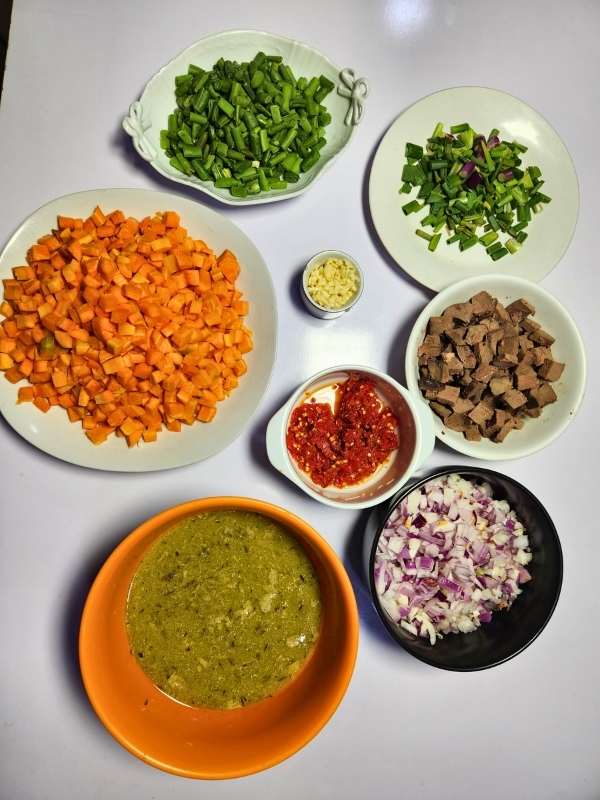
- Carrots: Peel and dice or julienne into small, uniform pieces for even cooking.
- Green peas: Use fresh or thawed frozen peas. No need to cook beforehand they’ll soften during stir-frying.
- Spring beans (green beans): Trim the ends and slice into thin, bite sized pieces.
- Sweet corn: Use fresh or canned sweet corn, drained if canned.
- Onions: Chop red onions finely; slice spring onions and keep them ready for finishing the dish.
3. Protein Preparation
- Chicken, turkey, shrimp, or beef liver: Cut into bite sized pieces for even cooking.
4. Aromatics and Seasonings
- Garlic and ginger (optional): Mince finely for maximum flavor release.
- Habanero peppers: Finely chop, adjusting the amount to your preferred spice level.
- Dried herbs and spices: Measure out curry powder, dried thyme, and basil so they’re ready to add during cooking.
- Seasoning cubes and salt: Have them on hand for easy, consistent seasoning.
5. Cooking Oils and Fats
- Vegetable oil or butter: Measure the oil or butter you’ll use for frying. Some cooks use a combination for extra flavor.
6. Stock Preparation
- Stock adds the deep flavor that defines Nigerian fried rice.
Step-by-Step: How to Make Nigerian Fried Rice
1. Prepare the Rice
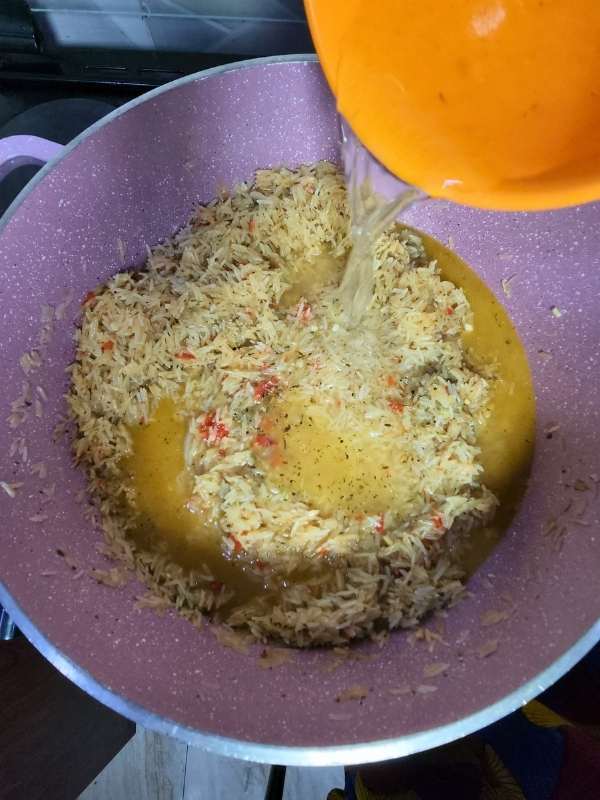
- Rinse long-grain parboiled rice thoroughly to remove excess starch.
- Parboil the rice in water or seasoned stock until just tender, then drain completely. Set aside.
2. Cook the Proteins
- If using chicken, turkey, shrimp, or liver, cook them ahead of time.
- Lightly sauté, boil, or fry until fully cooked, then set aside. This ensures the proteins don’t overcook during the frying process.
3. Sauté Aromatics
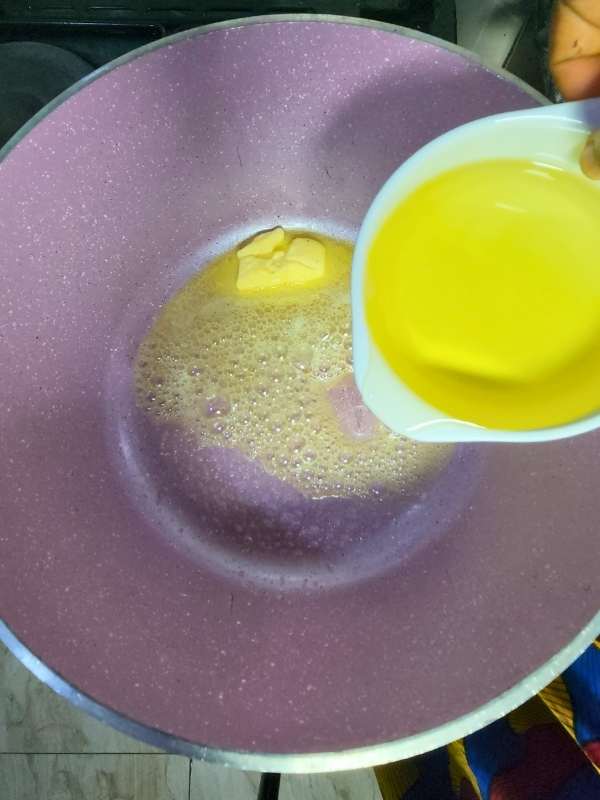
- Heat vegetable oil or a mix of oil and butter in a large pan or wok.
- Add chopped red onions, minced garlic, and chopped habanero peppers. Sauté until fragrant and slightly soft.
4. Add Vegetables
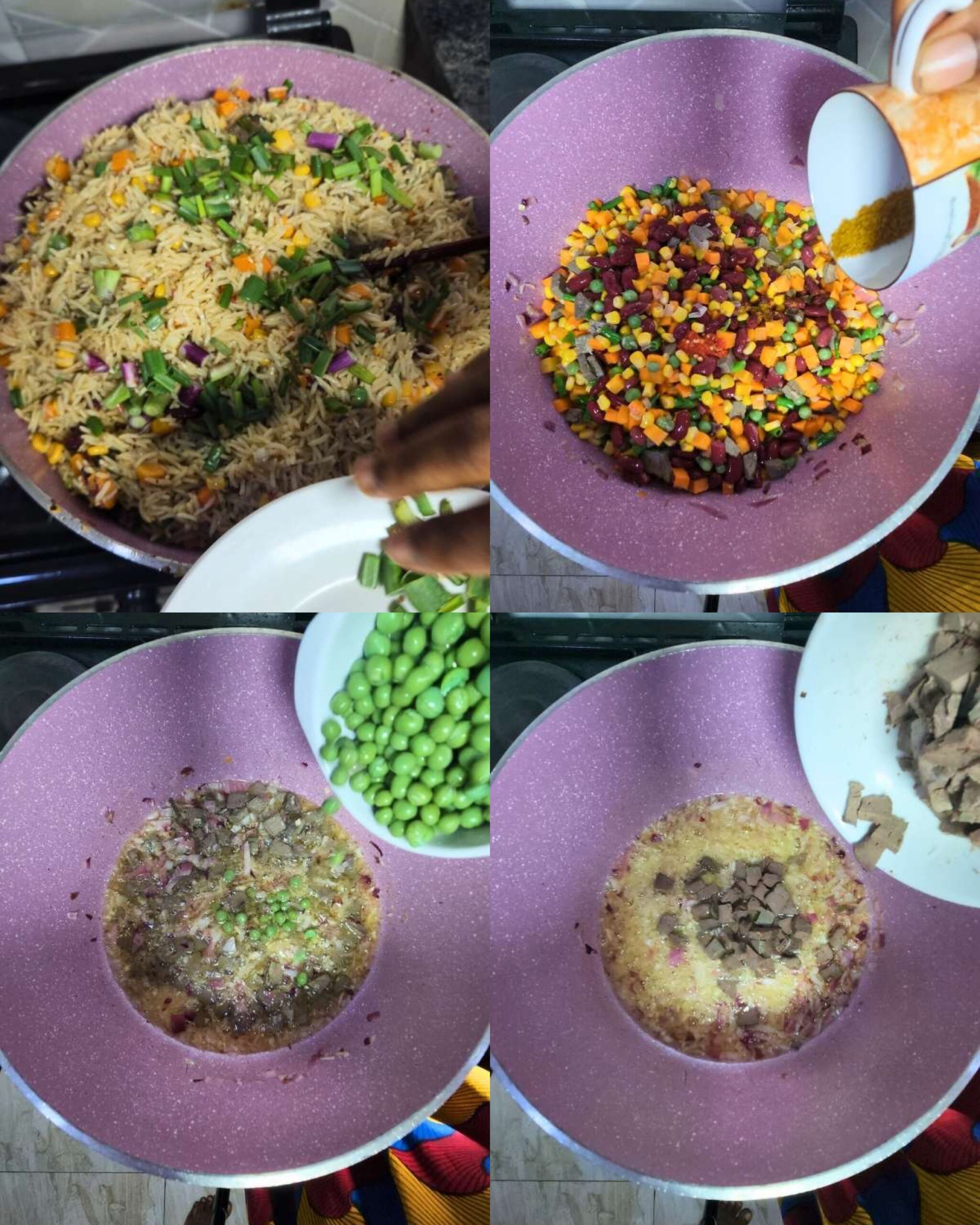
- Add diced carrots, green peas, spring beans, and sweet corn to the pan.
- Stir-fry for 2 to 3 minutes until the vegetables are tender-crisp.
5. Incorporate Spices and Seasonings
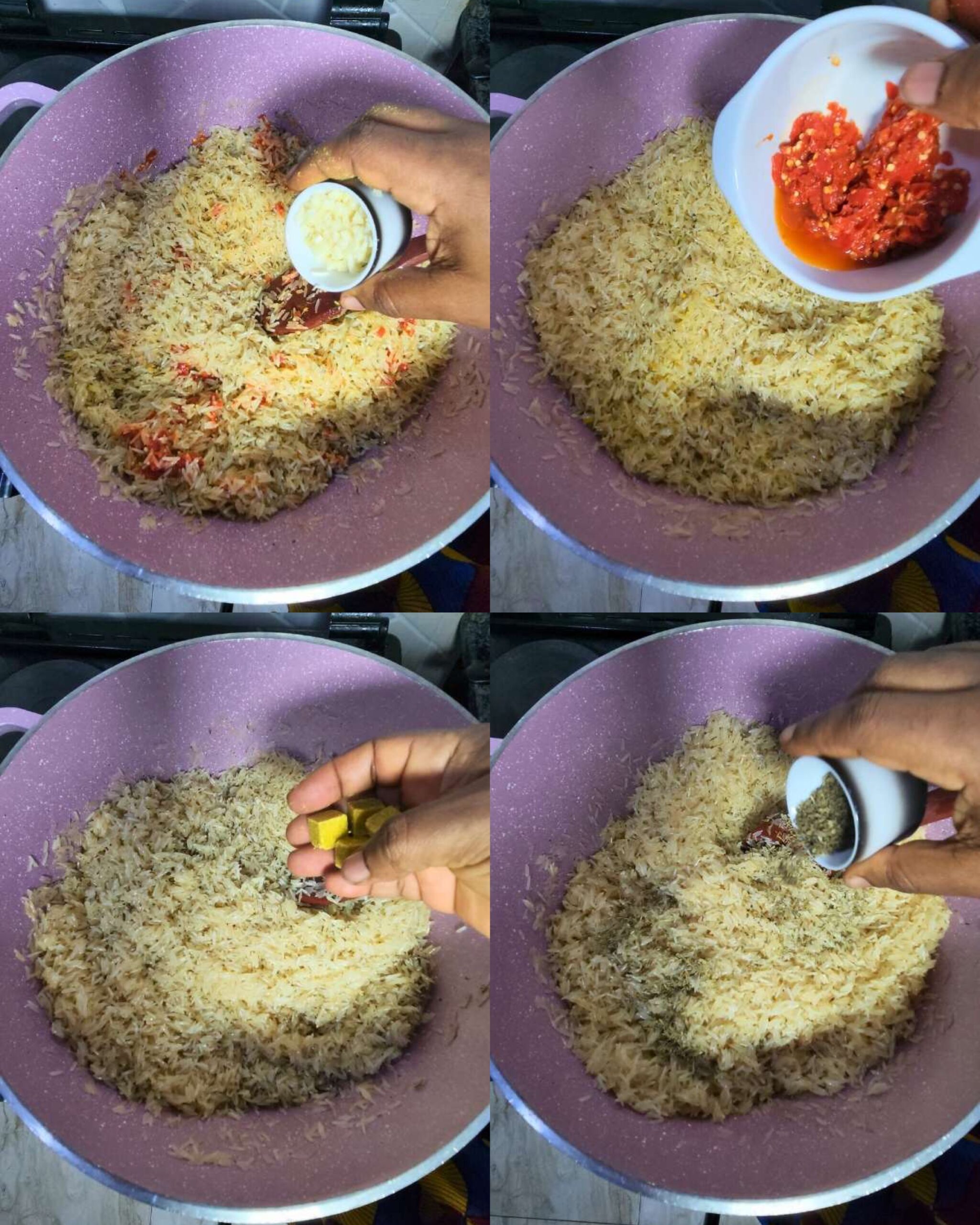
- Add curry powder, dried thyme, dried basil, and any additional spices.
- Stir well to coat the vegetables and release the aromas.
- Add seasoning cubes and a pinch of salt to taste.
6. Add the Rice
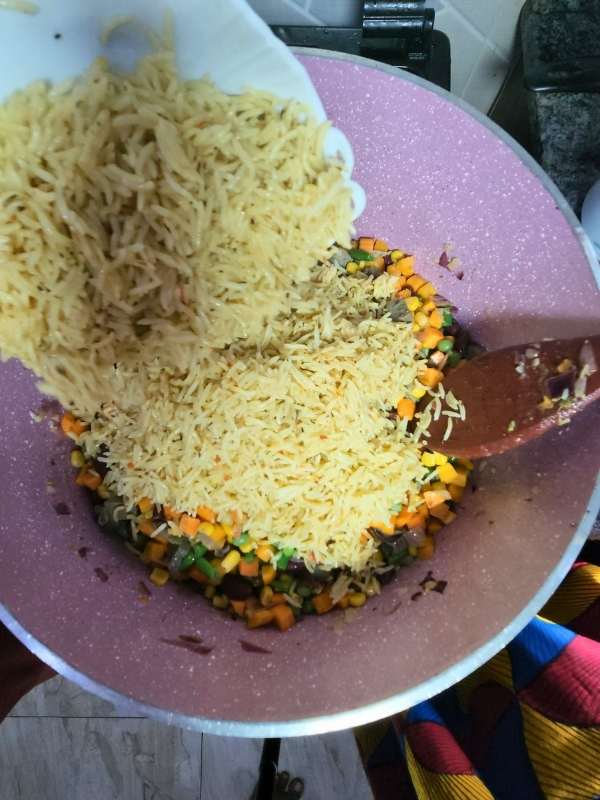
- Stir carefully to prevent the rice from breaking.
7. Add Stock or Flavor Enhancers (Optional)
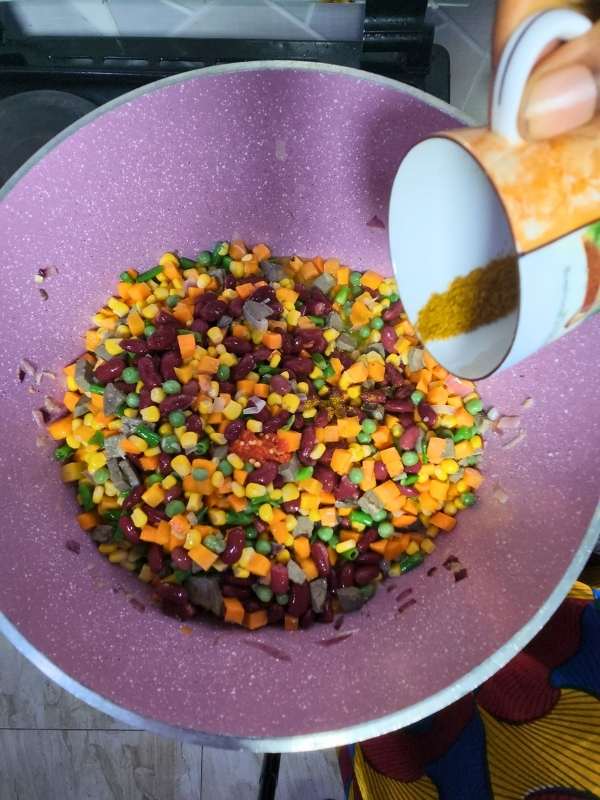
- Pour in a small amount of turkey or chicken stock if needed to add moisture and flavor.
- Cook for another 2 to 3 minutes while stirring gently.
8. Combine Proteins
- Add the cooked proteins (chicken, shrimp, liver, etc.) to the rice.
- Mix evenly to ensure each bite has a combination of rice, vegetables, and protein.
9. Finish with Butter and Spring Onions
- Add a small knob of butter for richness and shine.
- Stir in chopped spring onions for freshness and color.
Secret Tips for Perfect Nigerian Fried Rice
Making Nigerian fried rice that’s fluffy, flavorful, and visually appealing requires more than just following a recipe. Here are some secret tips to elevate your fried rice to party-ready perfection:
Use Long-Grain Parboiled Rice
Always opt for long grain parboiled rice. It stays firm, separate, and fluffy during frying, preventing the mushy texture that spoils fried rice.
Wash and Drain the Rice Thoroughly
Rinse the rice several times to remove excess starch, and drain it well after parboiling. This helps achieve light, separate grains.
Cook Rice in Stock
Use chicken or turkey stock instead of plain water when cooking the rice. This infuses the grains with flavor right from the start, giving the fried rice a rich, savory base.
Parboil, Don’t Fully Cook
Parboil the rice just until tender but not mushy. It will finish cooking during the frying stage, ensuring perfect texture without breaking apart.
Fry Vegetables Separately
Lightly sauté vegetables like carrots, peas, spring beans, and sweet corn before adding the rice. This preserves their color, crunch, and freshness.
Control Heat Properly
Use medium to high heat while stir frying, but don’t burn the ingredients. Proper heat ensures even cooking and releases the full aroma of spices and herbs.
Layer Flavors
Add spices, herbs, and seasoning gradually first in the sautéed vegetables, then in the rice. Layering flavors ensures a balanced and complex taste.
8. Use Butter or a Little Oil for Gloss
A small knob of butter or a light drizzle of oil at the end gives the rice a shiny, rich finish and improves the mouthfeel.
9. Add Proteins Last
Cook proteins separately and fold them in at the end to prevent overcooking and to maintain their tenderness.
Common Mistakes to Avoid:
Even experienced cooks can make errors that affect the texture, flavor, and appearance of Nigerian fried rice. Being aware of these pitfalls will help you achieve consistently perfect results:
1. Using the Wrong Rice
- Mistake: Using short grain or sticky rice.
- Why it’s a problem: These rice types clump together and become mushy, ruining the fluffy texture. Always use long-grain parboiled rice.
2. Overcooking the Rice
- Mistake: Cooking the rice fully before frying.
- Why it’s a problem: Overcooked rice breaks apart during stir frying and becomes mushy. Parboil the rice just until tender.
3. Not Washing the Rice Properly
- Mistake: Skipping rinsing or draining.
- Why it’s a problem: Excess starch causes the rice to stick together, resulting in clumpy fried rice.
4. Overcrowding the Pan
- Mistake: Adding too much rice or vegetables at once.
- Why it’s a problem: Overcrowding reduces heat, causing uneven cooking and steaming instead of stir-frying. Cook in batches if necessary.
5. Burning the Spices or Vegetables
- Mistake: Using too high heat or frying for too long.
- Why it’s a problem: Burnt spices and vegetables taste bitter and can overpower the dish. Sauté gently and monitor heat carefully.
6. Adding Proteins Too Early
- Mistake: Mixing raw chicken, liver, or shrimp directly into the rice.
- Why it’s a problem: Proteins may overcook or release excess water, affecting texture and taste. Cook proteins separately before adding.
7. Using Too Much Oil
- Mistake: Pouring excessive oil into the rice.
- Why it’s a problem: The rice becomes greasy and heavy. Use just enough oil to coat ingredients lightly.
8. Forgetting to Taste and Adjust Seasoning
- Mistake: Assuming the seasoning is perfect.
- Why it’s a problem: Even with stock and seasoning cubes, flavors may need balancing. Taste and adjust salt or spices as needed.
Variations of Nigerian Fried Rice
It is versatile, and over time, different variations have emerged to suit taste preferences, dietary needs, and occasions. Here are some popular versions:
1. Party Fried Rice
- The classic and most popular version served at weddings, birthdays, and festive gatherings.
- Typically includes long-grain parboiled rice, a mix of colorful vegetables (carrots, peas, spring beans, sweet corn), proteins like chicken or liver, and aromatic seasonings like curry powder and thyme.
2. Seafood Fried Rice
- Includes shrimp, prawns, crab, or fish instead of or alongside chicken or liver.
- Often paired with mild spices to highlight the natural flavors of the seafood.
3. Vegetarian or Vegan Fried Rice
- Omits animal proteins, focusing on vegetables, beans, or tofu.
- Can include kidney beans, sweet corn, or additional greens for a wholesome, plant-based version.
4. Smoky or “Wok-Style” Fried Rice
- Cooked over high heat in a large wok or heavy pan to achieve a slight smoky flavor.
- Adds a depth of taste reminiscent of restaurant-style fried rice.
5. Spicy Fried Rice
- Includes extra habanero peppers, Scotch bonnet, or chili powder for those who love a fiery kick.
- Balances heat with vegetables and mild proteins to maintain harmony in flavor.
6. Mixed Protein Fried Rice
- Combines several proteins such as chicken, shrimp, turkey, and liver for a rich, indulgent dish.
- Often reserved for special occasions or party servings.
7. Coconut or Aromatic Fried Rice (Optional Fusion)
- Incorporates coconut milk or fragrant oils like sesame for a subtle tropical twist.
- Adds unique aroma and flavor while maintaining the classic vegetable and rice base.
Whether it’s the classic party version, a spicy or seafood variant, or a vegetarian twist, each variation maintains the core essence of flavorful rice, colorful vegetables, and aromatic seasonings.
What to Serve with Nigerian Fried Rice
Here are some popular options:
1. Fried Chicken
- Crispy, golden fried chicken pairs perfectly with fried rice.
- The crunchiness of the chicken complements the fluffy texture of the rice.
2. Grilled or Roasted Turkey
- Adds a smoky, savory flavor that balances the richness of the fried rice.
- Commonly served during festive occasions and parties.
3. Grilled or Fried Fish
- Options like tilapia or mackerel provide a light, flavorful protein that pairs well with the aromatic rice.
4. Plantains (Dodo)
- Sweet fried plantains add a caramelized sweetness that contrasts beautifully with the savory rice.
- A favorite side for both adults and children.
5. Coleslaw or Fresh Salad
- A crisp, refreshing salad adds texture and freshness to the meal.
- Helps balance the richness of the rice and proteins.
6. Grilled or Sautéed Shrimp
- Especially good with seafood fried rice variations.
- Adds extra flavor and a luxurious touch to the dish.
7. Steamed or Sautéed Vegetables
- Additional vegetables like broccoli, bell peppers, or green beans can enhance nutrition and color.
Nigerian fried rice pairs beautifully with fried chicken, grilled turkey, fish, shrimp, plantains, or fresh salads, creating a complete, festive, and satisfying meal. These sides enhance the flavors, textures, and presentation of the dish, making it perfect for both everyday meals and special occasions.
Storage and Reheating Tips for Nigerian Fried Rice
Proper storage and reheating ensure your Nigerian fried rice stays flavorful, fluffy, and safe to eat even after cooking. Here’s how to handle leftovers:
1. Cooling Before Storage
- Allow the fried rice to cool to room temperature before storing.
- Avoid leaving it out for more than 2 hours to prevent bacterial growth.
2. Storing in the Refrigerator
- Transfer the fried rice to an airtight container.
- Store in the refrigerator for up to 3 to 4 days.
3. Freezing Fried Rice
- Use a freezer-safe airtight container or a heavy duty freezer bag.
- Label with the date to keep track of freshness.
4. Reheating on the Stove
- Heat a little oil in a pan or wok over medium heat.
- Add the fried rice and stir gently until heated through.
- If the rice seems dry, splash in a little water or stock to restore moisture.
5. Reheating in the Microwave
- Place the rice in a microwave-safe container.
- Cover loosely to prevent drying.
- Heat in short intervals (1 to 2 minutes), stirring in between for even heating.
6. Tips to Maintain Quality
- Avoid reheating more than once to preserve flavor and texture.
- Keep vegetables and proteins separate from liquids during storage if possible, then fold them back in when reheating.
- Fresh spring onions or a knob of butter added during reheating can restore brightness and aroma.
Properly cooled and stored Nigerian fried rice can stay fresh in the refrigerator for 3 to 4 days or in the freezer for up to a month.
Gentle reheating either on the stove or in the microwave ensures it remains fluffy, flavorful, and delicious, almost like freshly made.
Can I make Nigerian fried rice without curry?
Yes, you can make Nigerian fried rice without curry powder, but there are a few things to keep in mind if you choose to skip it. Here’s how to make it work:
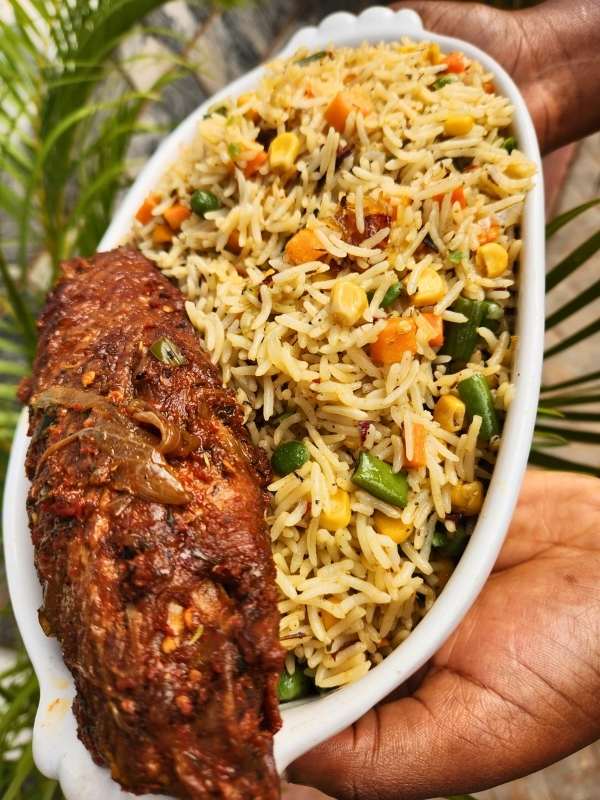
1. Focus on Other Seasonings
- Use thyme, dried basil, garlic, onions, and seasoning cubes to build layers of flavor.
- Turkey or chicken stock will also add richness and depth.
2. Enhance Color Naturally
- Without curry powder’s turmeric, the rice may be paler. You can add a small pinch of paprika, annatto, or a little turmeric if you want a golden hue.
3. Adjust Taste Gradually
- Without curry powder, you may need slightly more seasoning cubes, herbs, or aromatics to achieve the flavor you desire.
4. Consider Herbs and Aromatics
- Fresh herbs like spring onions, parsley, or dried basil can enhance aroma and flavor, compensating for the missing curry flavor.
5. Outcome
- The fried rice will still be delicious, savory, and colorful, but slightly different from traditional “party-style” Nigerian fried rice. It’s a great option for those who prefer a milder flavor or want to avoid curry.
skipping curry powder is perfectly fine. Just make sure to adjust other seasonings and herbs to maintain the depth, aroma, and overall taste of your Nigerian fried rice.
Why is my fried rice pale or soggy?
If your Nigerian fried rice turns out pale or soggy, it’s usually due to a few common mistakes in preparation or cooking. Here’s a breakdown of possible causes and how to fix them:
1. Rice Type and Preparation
- Cause: Using short grain or sticky rice, or not rinsing properly.
- Fix: Use long grain parboiled rice and rinse thoroughly to remove excess starch. This keeps the grains separate and prevents sogginess.
2. Overcooking the Rice
- Cause: Fully cooking the rice before frying. Overcooked rice absorbs too much moisture, resulting in mushy grains.
- Fix: Parboil the rice until just tender, then drain completely. Finish cooking during stir frying.
3. Excess Water or Stock
- Cause: Using too much water or stock during parboiling or frying.
- Fix: Drain rice well after parboiling and add only a small amount of stock if needed while frying.
4. Low Heat
- Cause: Cooking on low heat can steam the rice instead of frying it, making it soggy and pale.
- Fix: Use medium to high heat for stir-frying to achieve light, fluffy grains and vibrant color.
5. Skipping Color-Enhancing Ingredients
- Cause: Not using curry powder, paprika, or other spices for color.
- Fix: Add a small amount of curry powder, paprika, or annatto to give the rice a golden, appetizing hue.
6. Overcrowding the Pan
- Cause: Adding too much rice at once lowers the pan temperature, causing the rice to steam instead of fry.
- Fix: Cook in batches if necessary to maintain proper heat.
7. Insufficient Oil or Butter
- Cause: Not using enough oil or butter to coat the grains.
- Fix: Use a light amount of oil or butter to help the rice fry evenly, giving it shine and preventing clumping.
Using long-grain parboiled rice, properly draining it, cooking on higher heat, and adding color enhancing spices will give you fluffy, colorful, and perfectly textured Nigerian fried rice.
Can I freeze fried rice?
Yes, you can freeze Nigerian fried rice, and it’s a great way to save leftovers or prepare meals in advance. However, to maintain its flavor, texture, and quality, it’s important to follow proper freezing and reheating steps. Here’s how:
1. Cool the Rice Properly
- Allow the fried rice to cool completely to room temperature before freezing.
- Do not leave it out for more than 2 hours to prevent bacterial growth.
2. Use Airtight Containers or Freezer Bags
- Transfer the cooled rice into airtight containers or heavy-duty freezer bags.
- Remove as much air as possible to prevent freezer burn.
3. Portioning
- Freeze in individual or family-sized portions for easier reheating.
- Avoid freezing large quantities at once, as it takes longer to thaw evenly.
4. Storage Time
- Label containers with the date to track freshness.
5. Reheating Frozen Fried Rice
On the Stove:
- Heat a small amount of oil or butter in a pan.
- Add the frozen or thawed rice and stir gently until heated through.
- Splash a little water or stock if the rice seems dry.
In the Microwave:
- Place rice in a microwave-safe container and cover loosely.
- Heat in 1 to 2 minute intervals, stirring in between for even heating.
6. Tips for Best Results
- Freeze the rice without adding fresh spring onions or delicate herbs; add them fresh when reheating.
- Avoid reheating more than once to maintain texture and flavor.
Conclusion
Nigerian fried rice is a delicious, colorful, and versatile dish that can elevate any meal, from everyday dinners to festive celebrations.
The key to perfect fried rice lies in choosing the right rice, preparing fresh ingredients, layering flavors carefully, and cooking with the proper techniques.
By understanding the roles of vegetables, proteins, spices, and oils, you can create a dish that is fluffy, flavorful, and visually appealing. And Whether you follow the classic party-style recipe or experiment with variations like seafood, vegetarian, or spicy fried rice, the fundamentals remain the same: properly prepped rice, balanced seasonings, and careful cooking .
However with attention to detail and a few secret tips like using stock for depth of flavor or finishing with butter and spring onions you can make Nigerian fried rice that rivals even restaurant-quality versions.
In short, Nigerian fried rice is not just a meal; it’s a celebration of flavors, colors, and textures. With the right techniques and ingredients, you can consistently create a dish that is satisfying, aromatic, and sure to impress family and friends.
It’s time to roll up your sleeves, gather your ingredients, and cook your perfect pot of Nigerian fried rice!
Leave a comment so we can see what you think about our fabulous recipe.
You may also love to read up our ”HOW TO MAKE PUFF PUFF WITHOUT YEAST” our lovely side dish dough balls.


2 thoughts on “How to Make Nigerian Fried Rice”